Tatreez Motif: Coffee Bean
Habbet Binn Motif
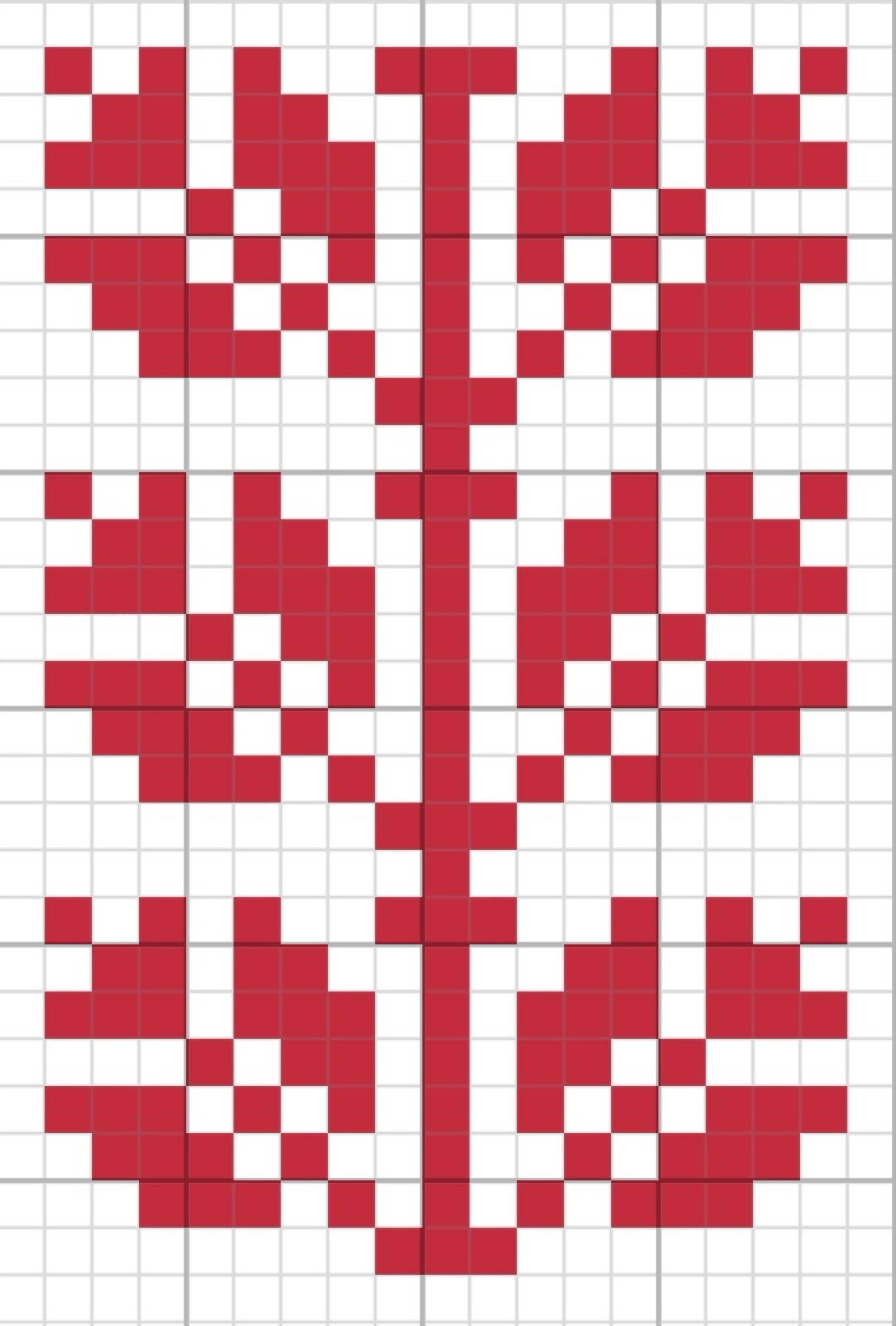
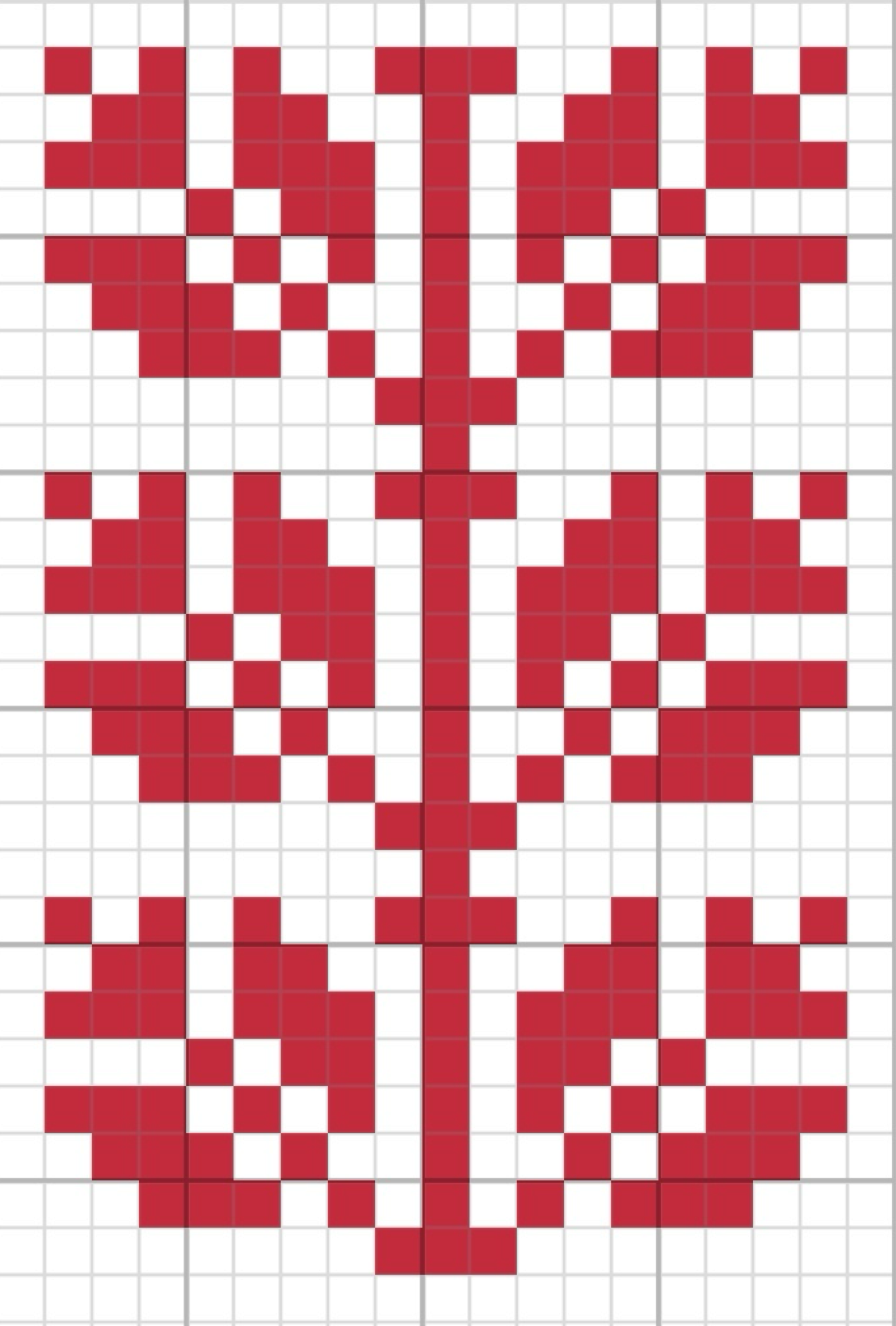
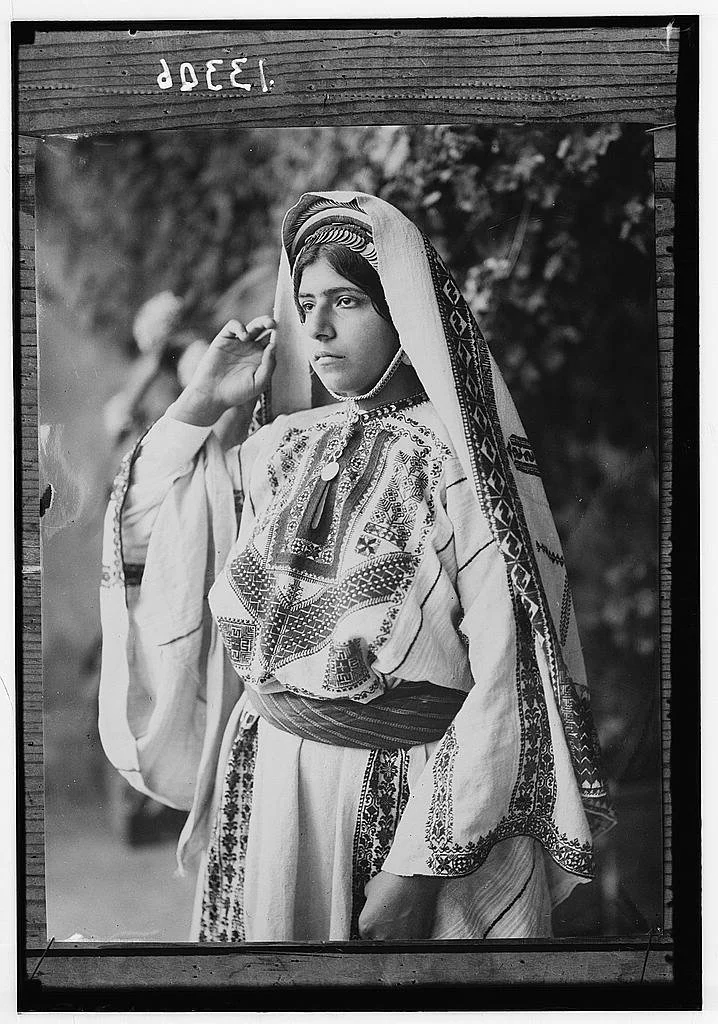
The Coffee Bean motif, known in Arabic as Habbet Binn, is a traditional Palestinian Tatreez design commonly seen in the embroidery of Gaza and Yaffa. Its simple geometric shape resembles a row of small beans, making it instantly recognizable on any stitched piece. Historically, this motif appears in both regions, reflecting the shared visual language of the coastal cities. Today it is a popular choice for modern projects, especially among supporters stitching in solidarity with Gaza.
In this post, we'll take the basic cross-stitch and half-stitch techniques we've learned and apply them to create a motif. A motif in Tatreez is a pattern, and these patterns evolved from real-life representations. Each motif is named after its representation in either nature, culture, or society, facilitating discussion and commission of costumes.
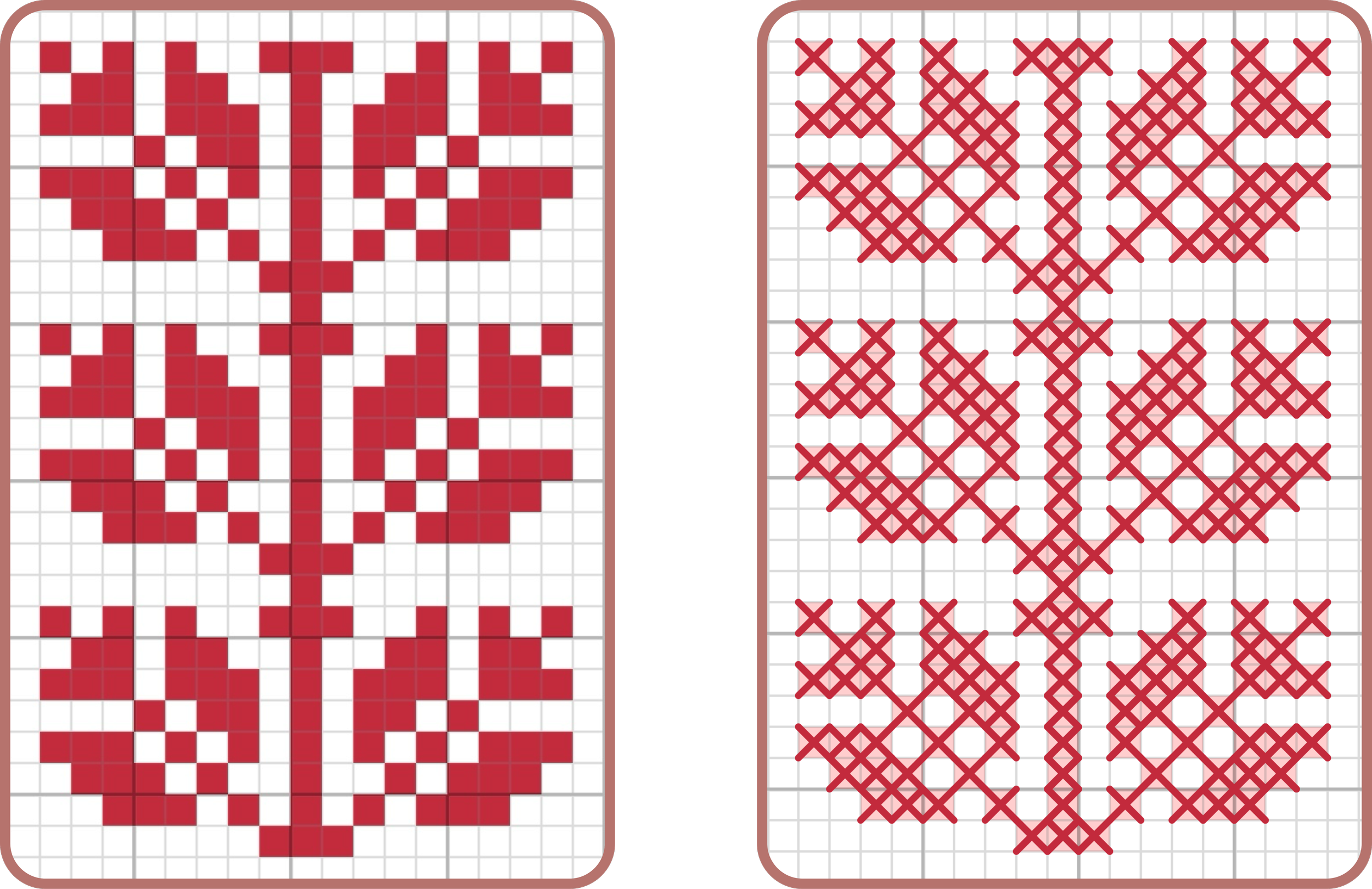
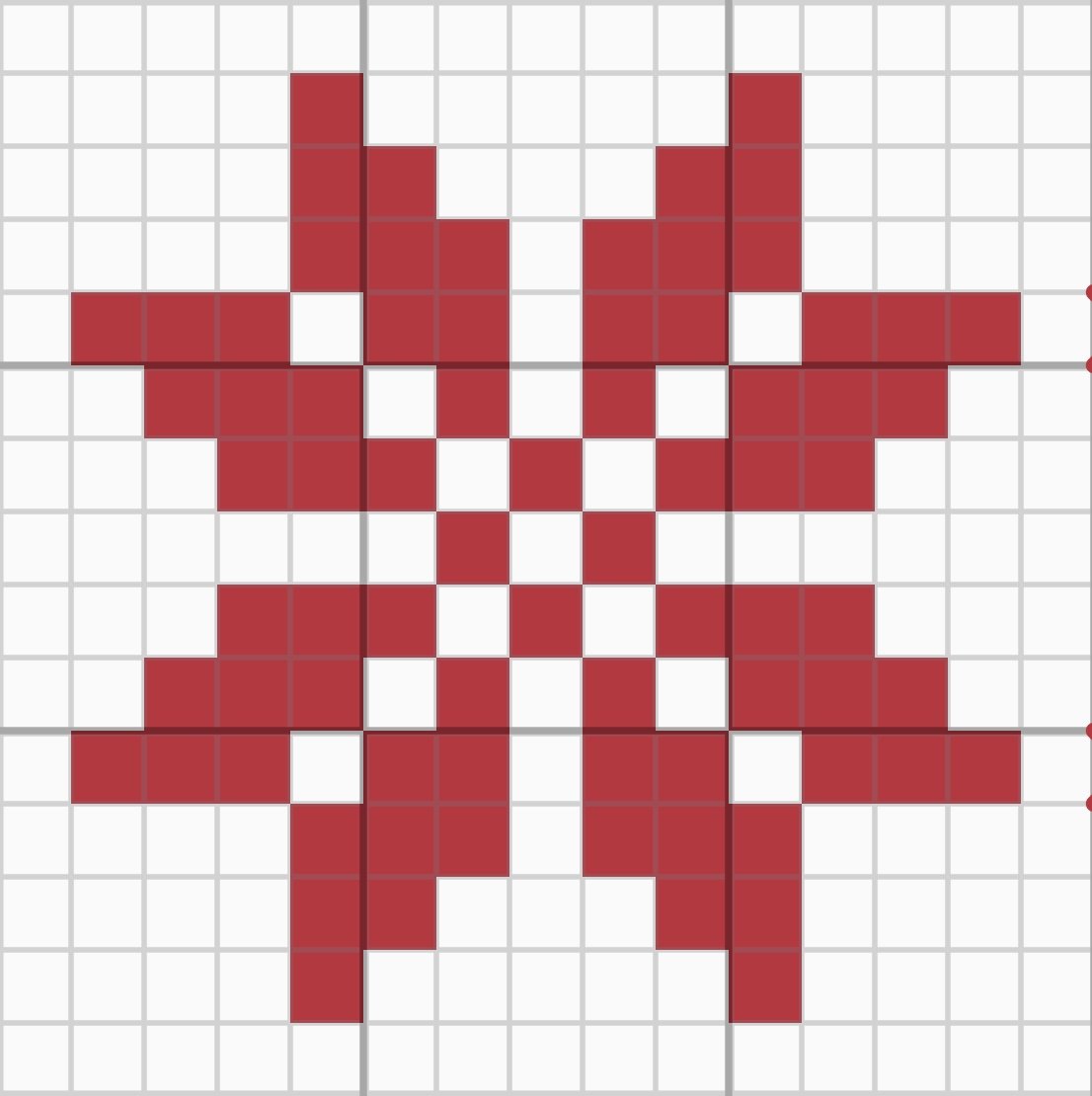
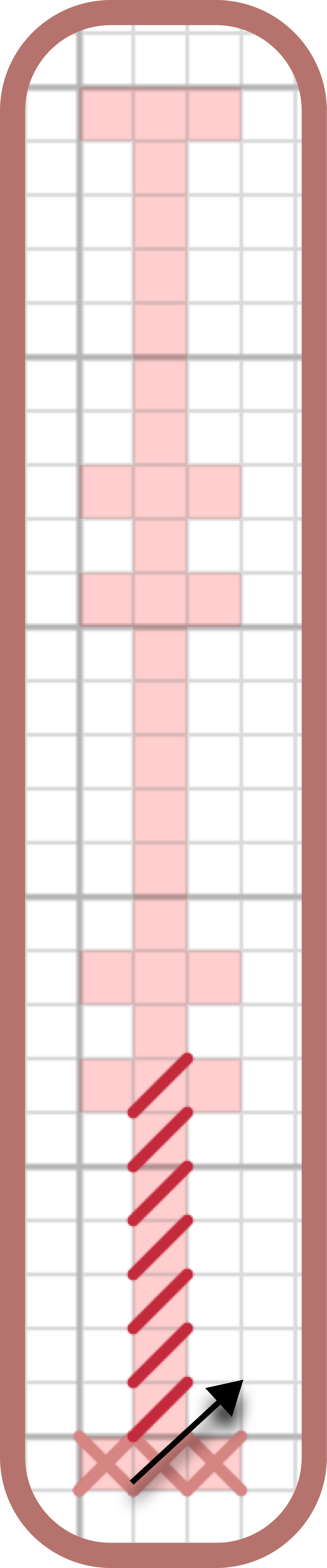
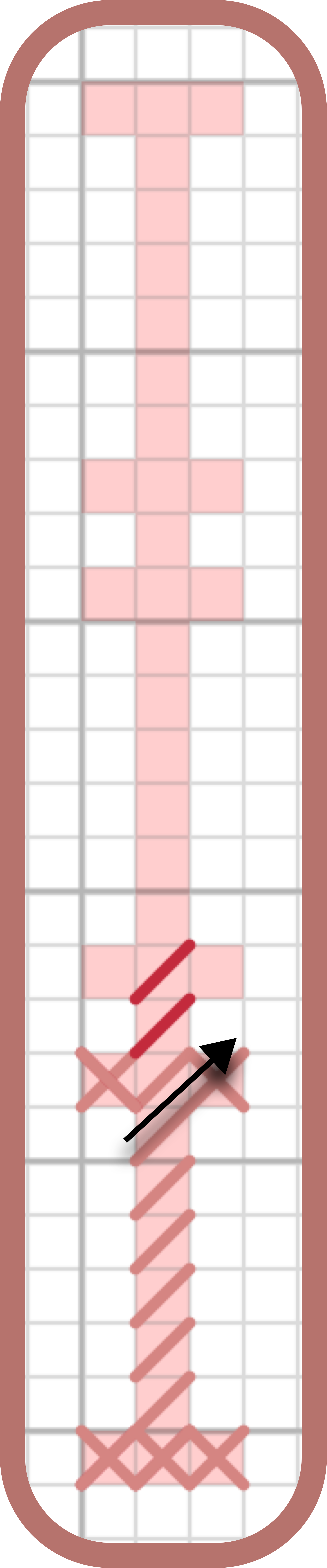
As shown in this image, each filled square on the grid signifies a cross stitch. Building upon what we've learned in the One Stitch at a Time section, a possible starting point for a cross stitch is the bottom left corner. However, depending on your specific design, your current needle placement, and the most accessible next point for your next cross stitch, you might choose to begin from any corner.
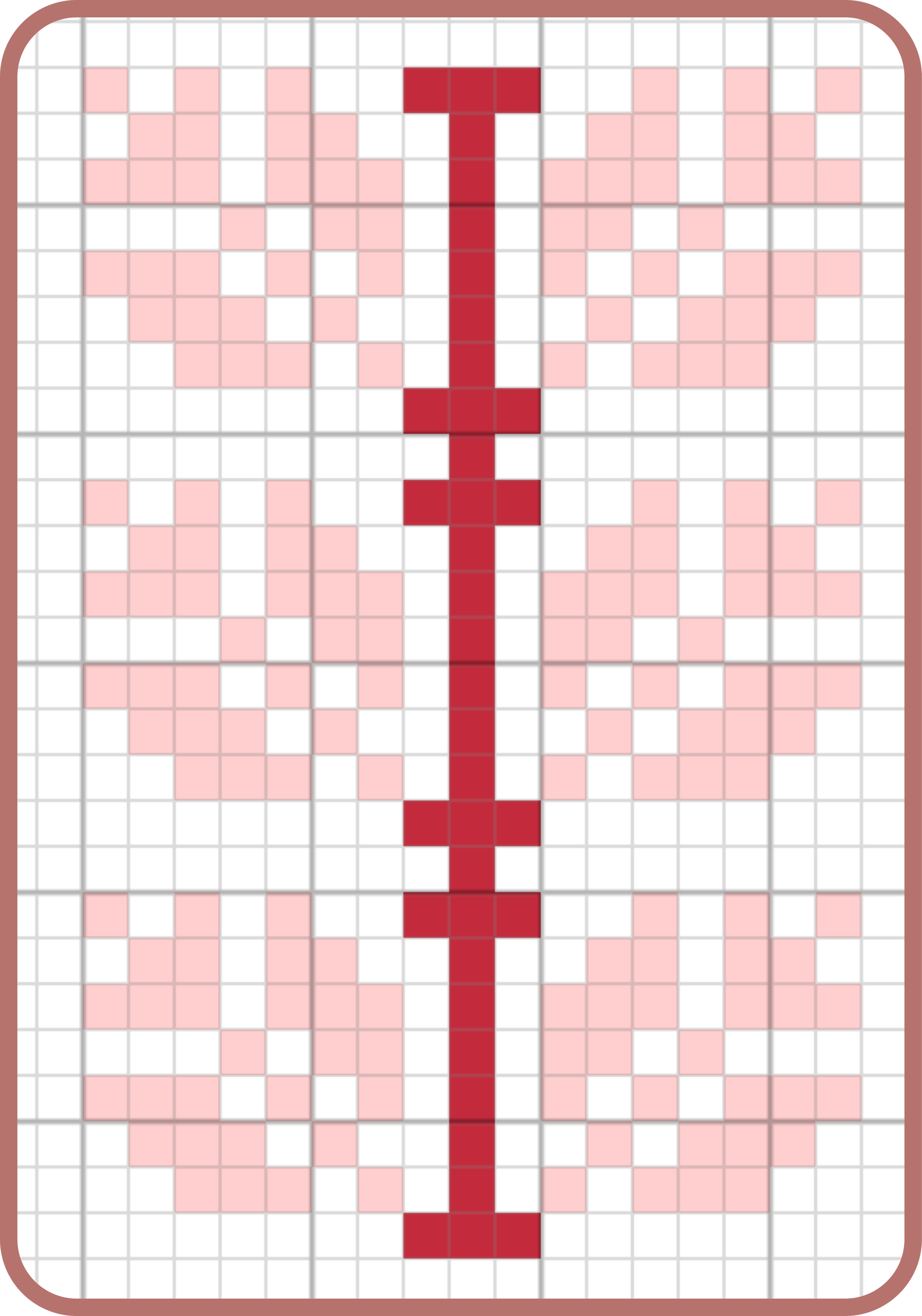
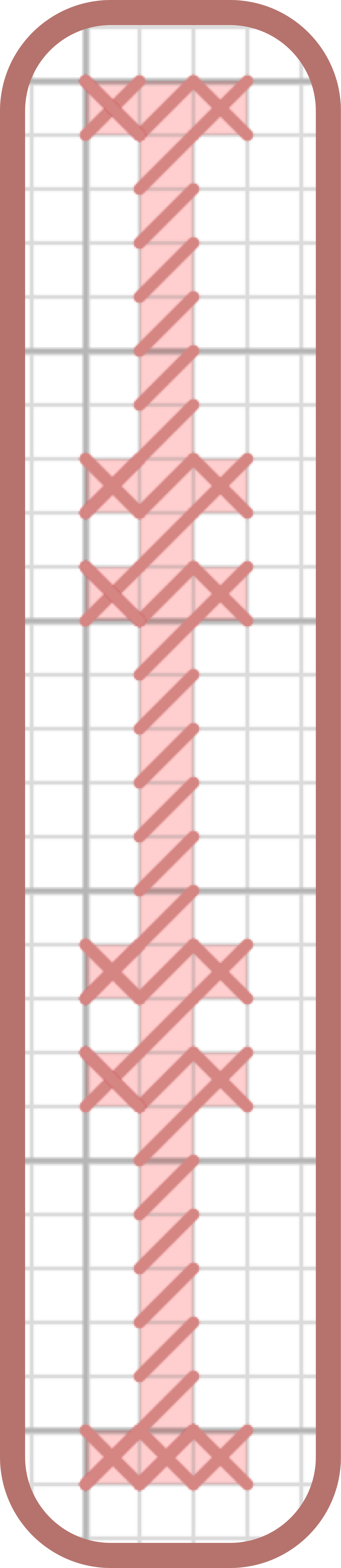
In this step-by-step guide, we've provided a suggested sequence of cross-stitch steps. Keep in mind that these steps are not set in stone, and this design can be executed in various ways. Using multiple colors to complete this design further increases the ways this design can be completed. Feel free to explore different techniques, as there are numerous paths to achieve the same result.
Download the FREE PDF Motif Guide
Coffee Bean Motif Steps
PART 1: STEM
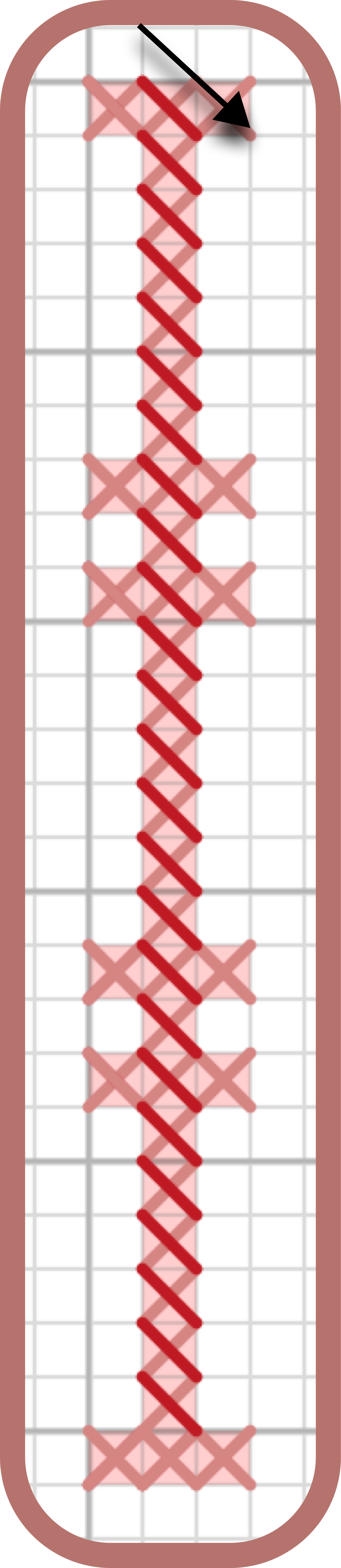
PART 2: Coffee Bean
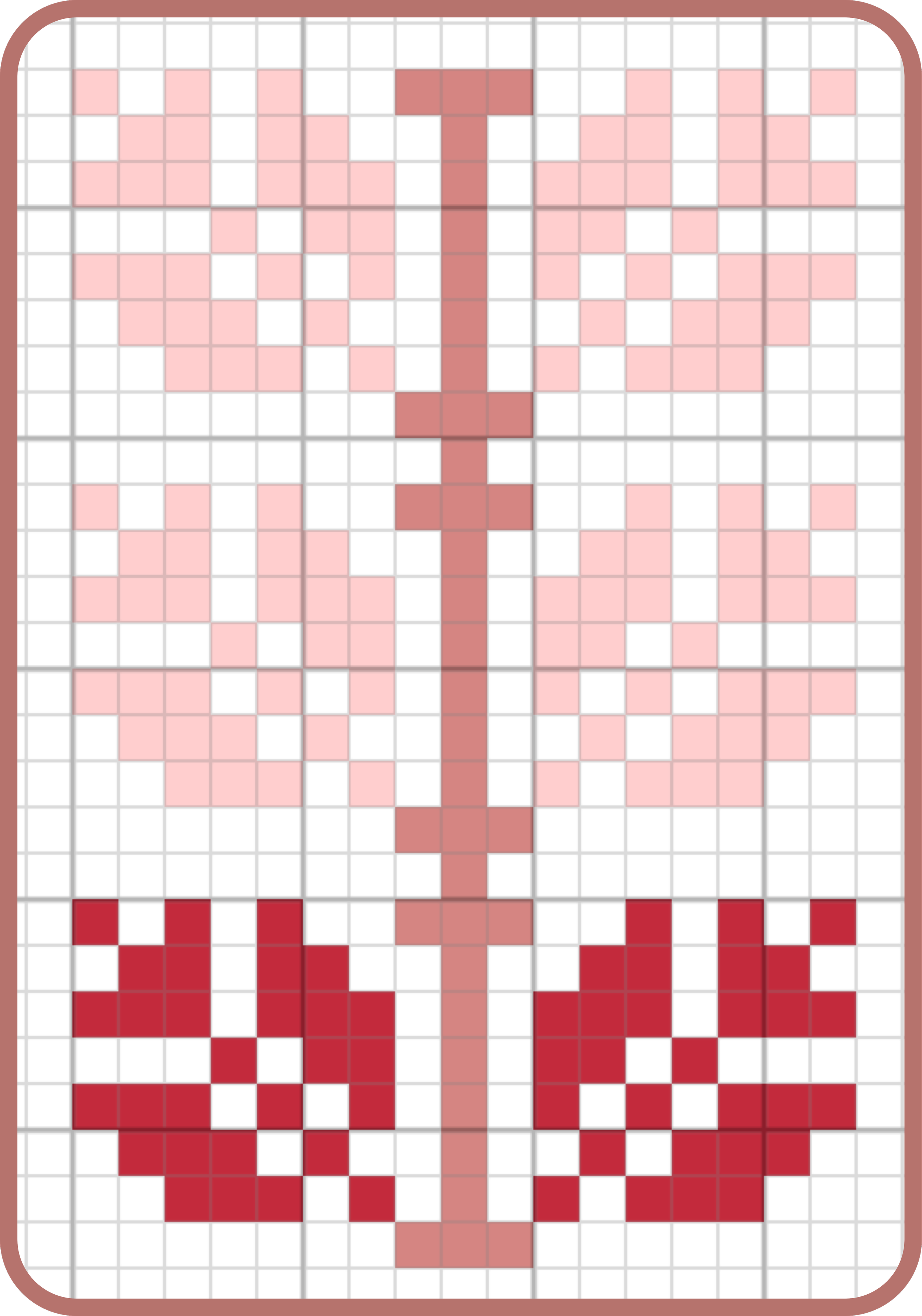

IMPORTANT EXPLINATION:
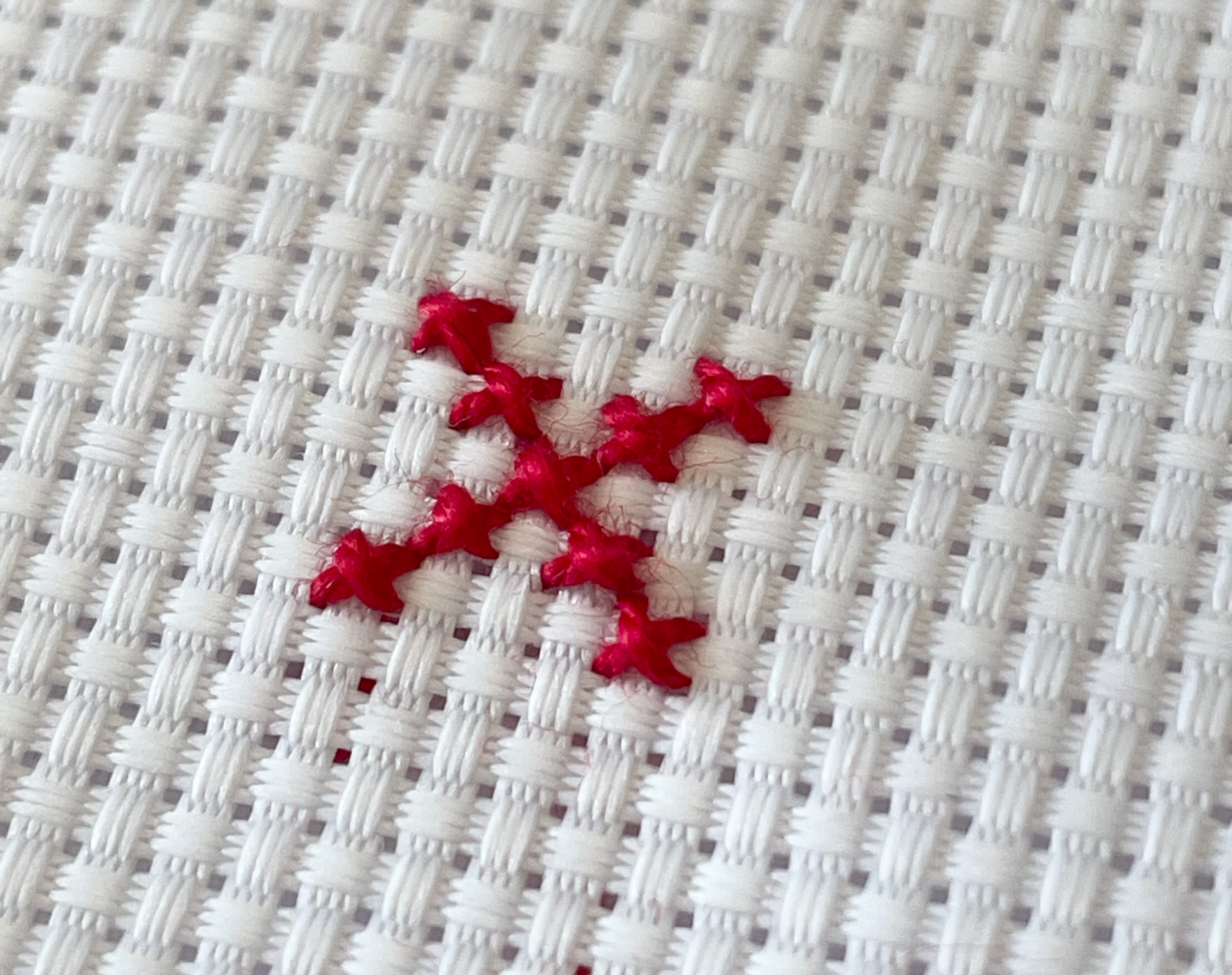
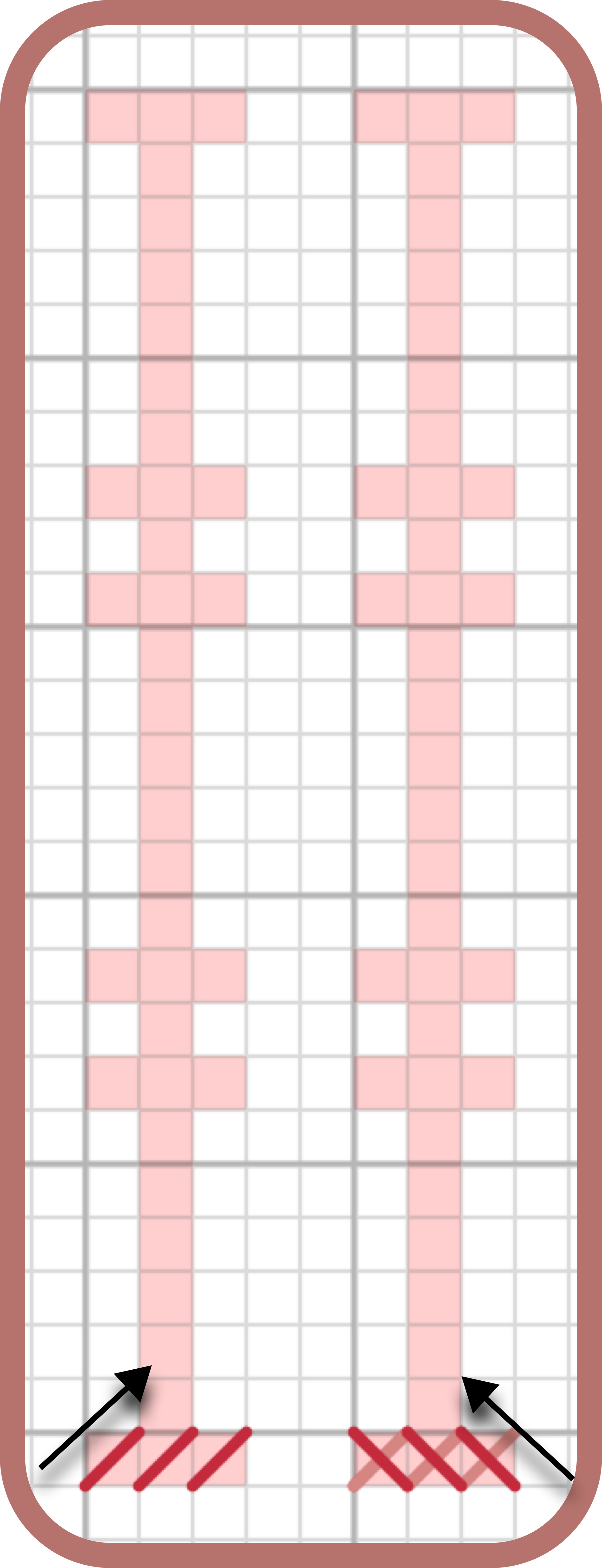
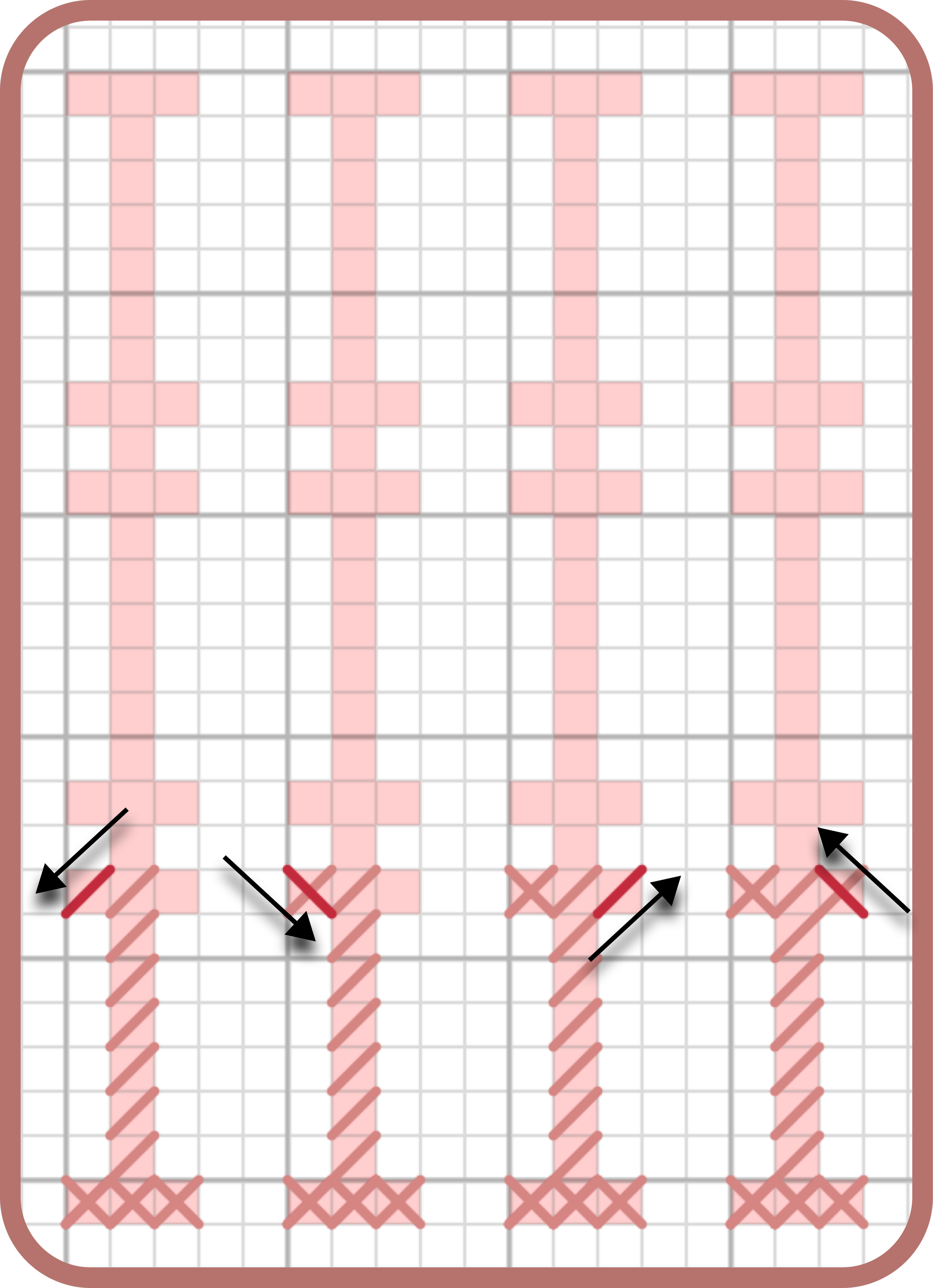
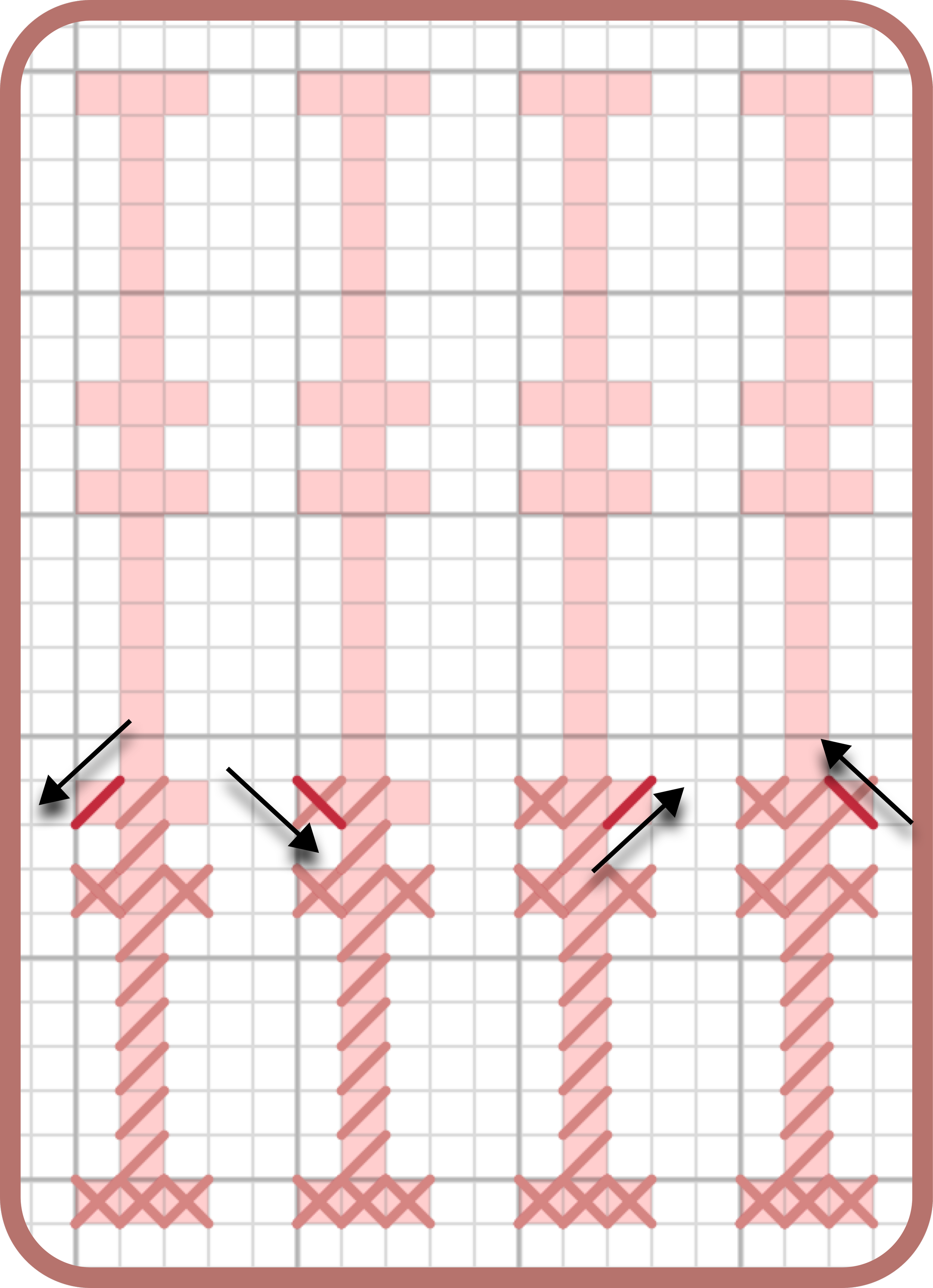
The last ten steps show how to stitch the individual beans using half stitches. Stitchers will work ONE half stitch, SKIP one stitch, change direction, and stitch THREE more half stitches. Then return to complete the all four stitches, skipping the square that was skipped earlier.
This technique of skipping a square while working half stitches makes stitching faster. It avoids stitching many individual single stitches and allows larger sections to be filled at once. The skipped square remains empty.
The reason for changing stitch direction is to keep the back of the piece neat and clean. Changing direction helps the threads on the back form a tidy horizontal line that appears as a straight back stitch, instead of a diagonal backstitch. This creates a smooth finish and reduces clutter behind the fabric.
If you would like to learn more about neat stitching, clean backs, and back stitch methods, check out our GUIDE for additional tips and detailed explanations.
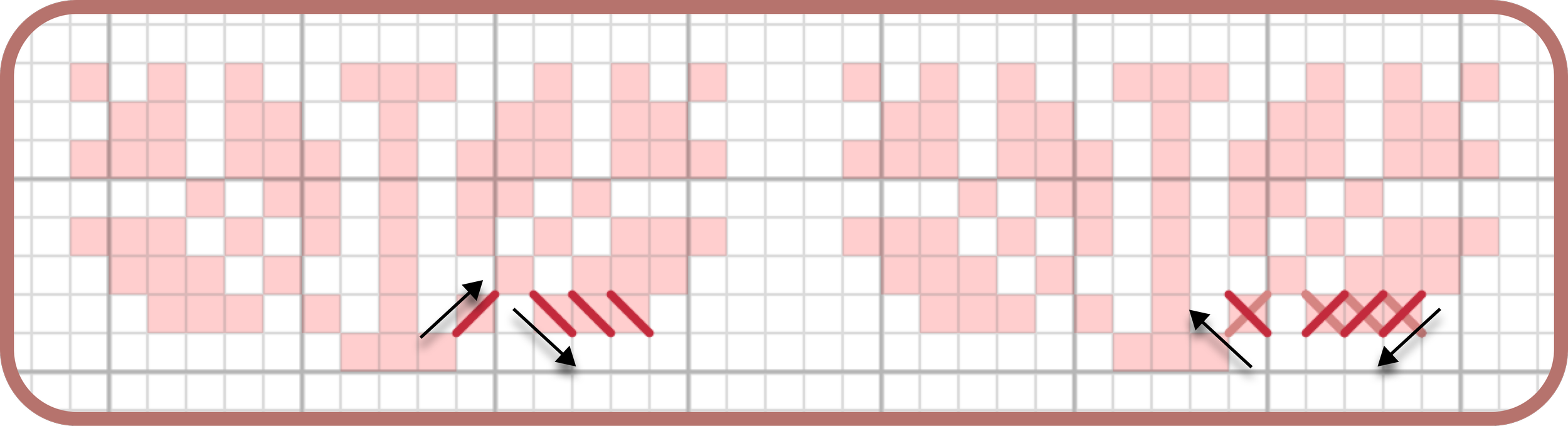
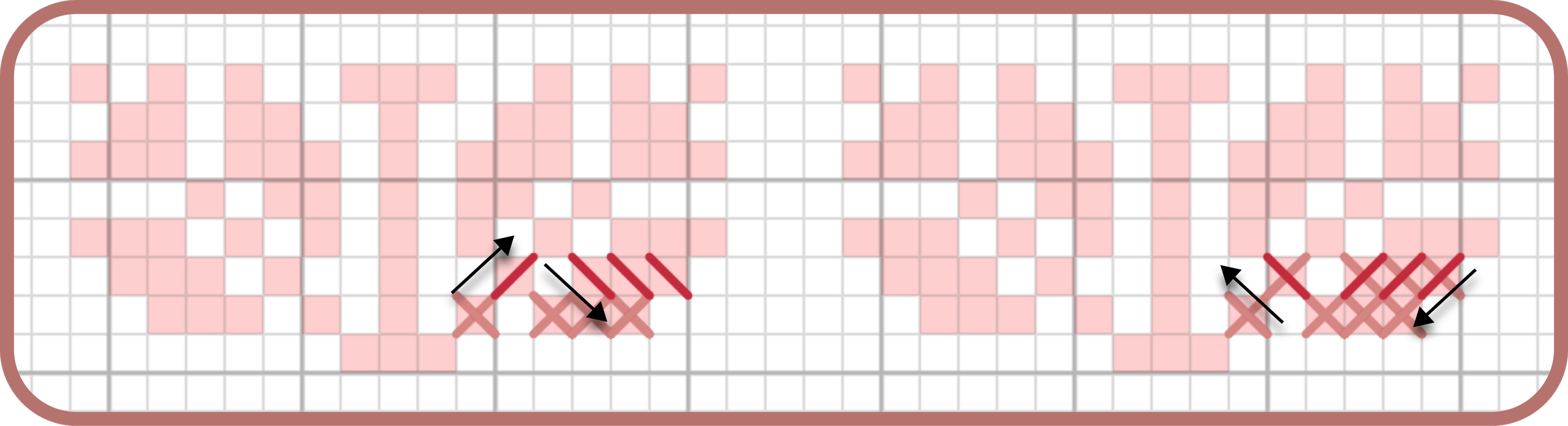
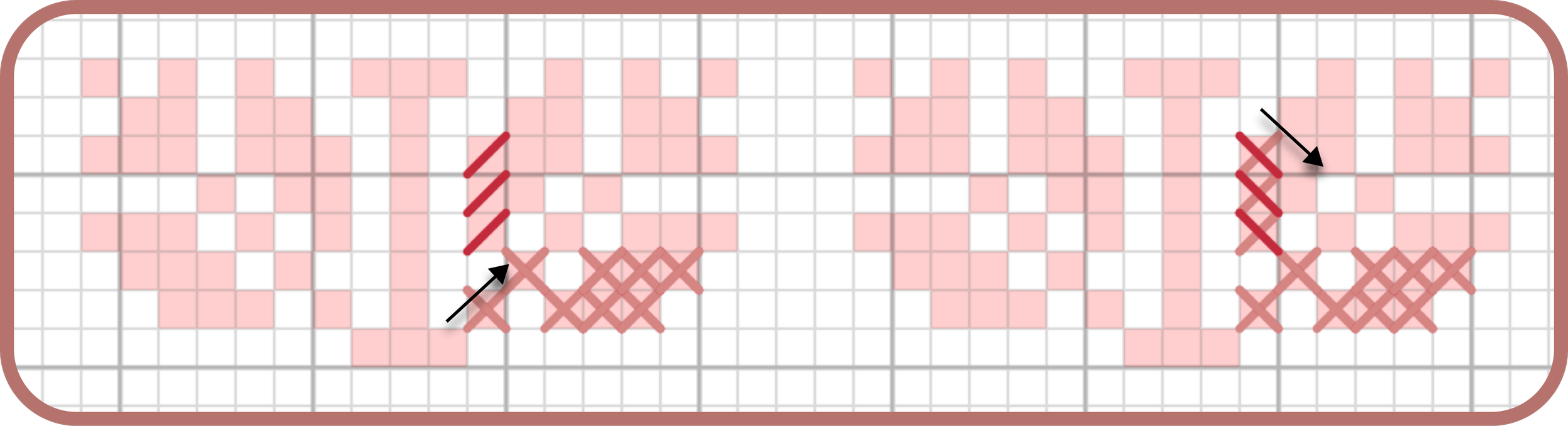
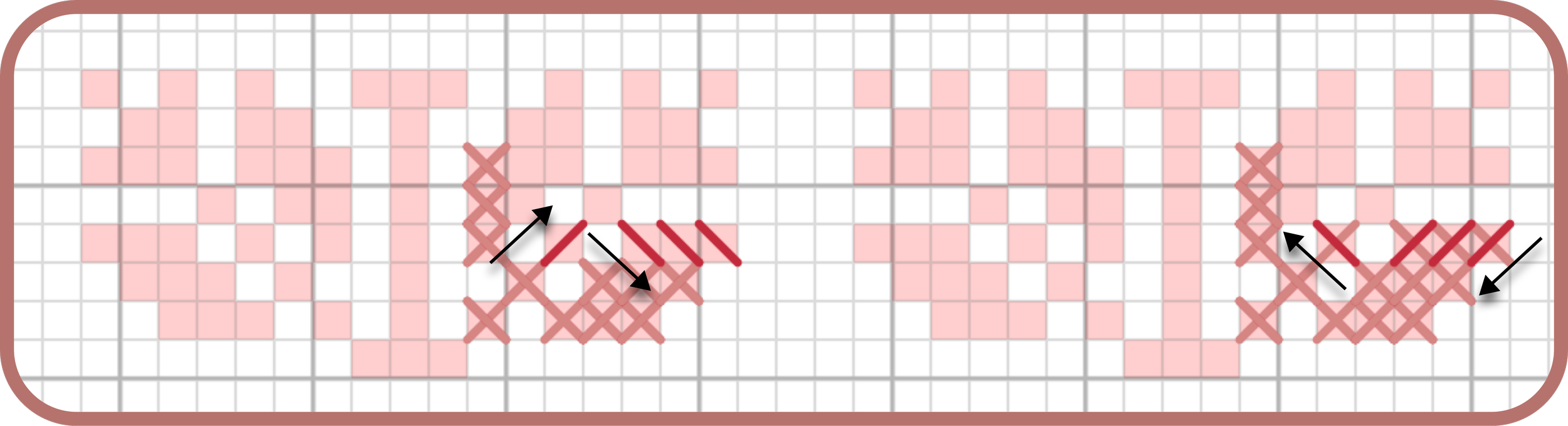
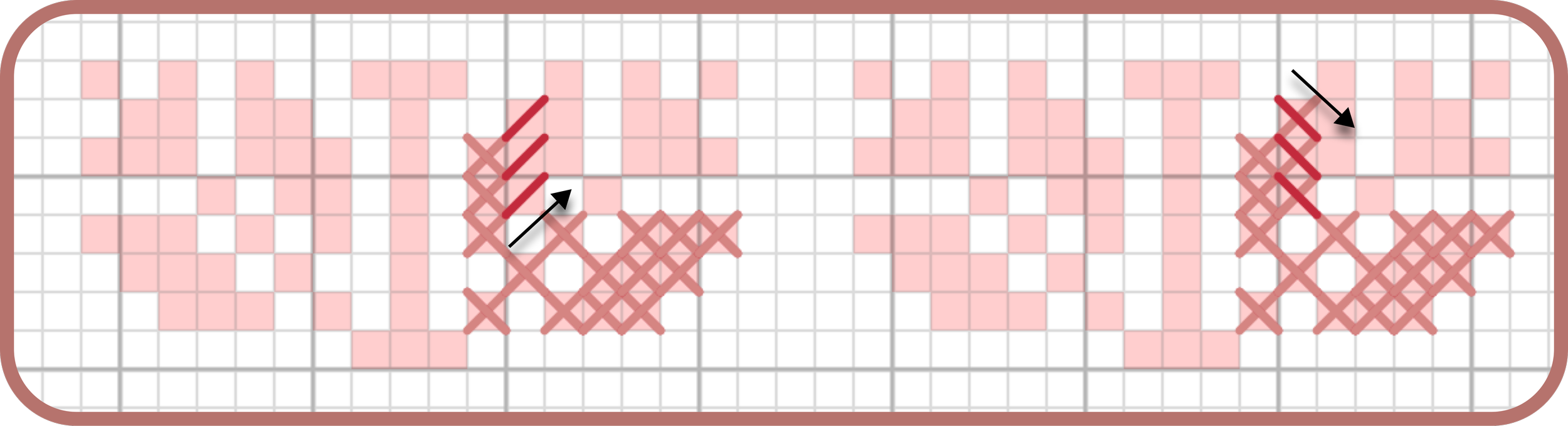
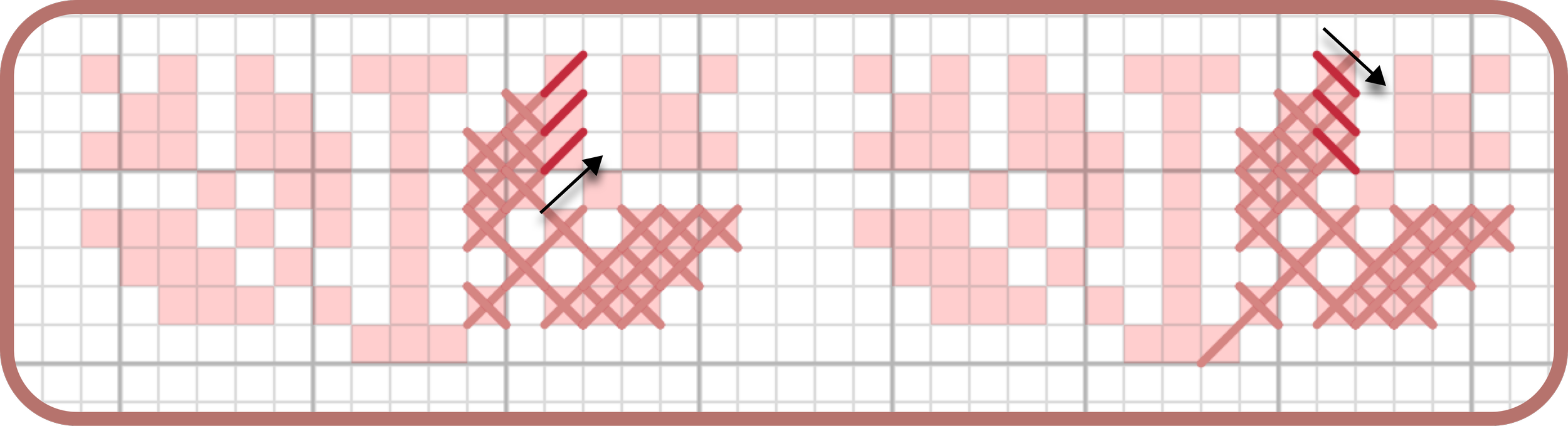
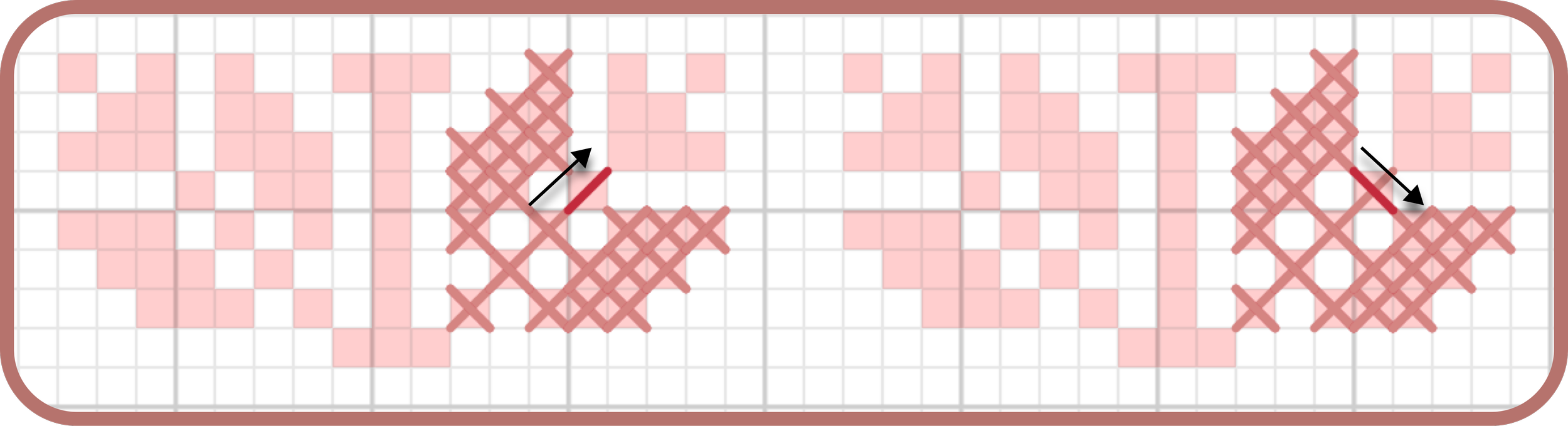
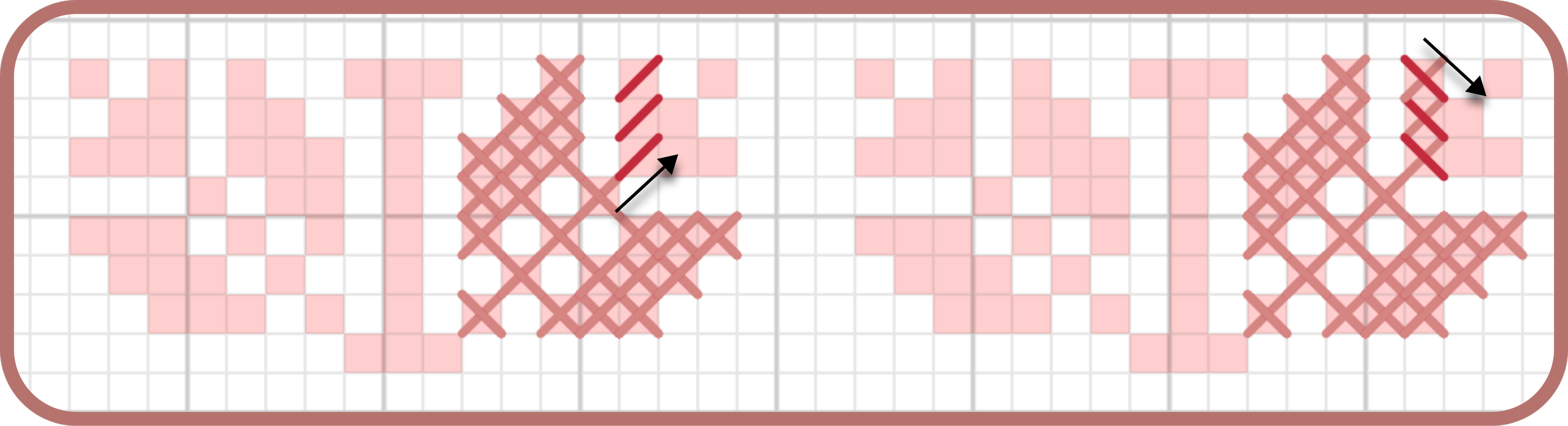
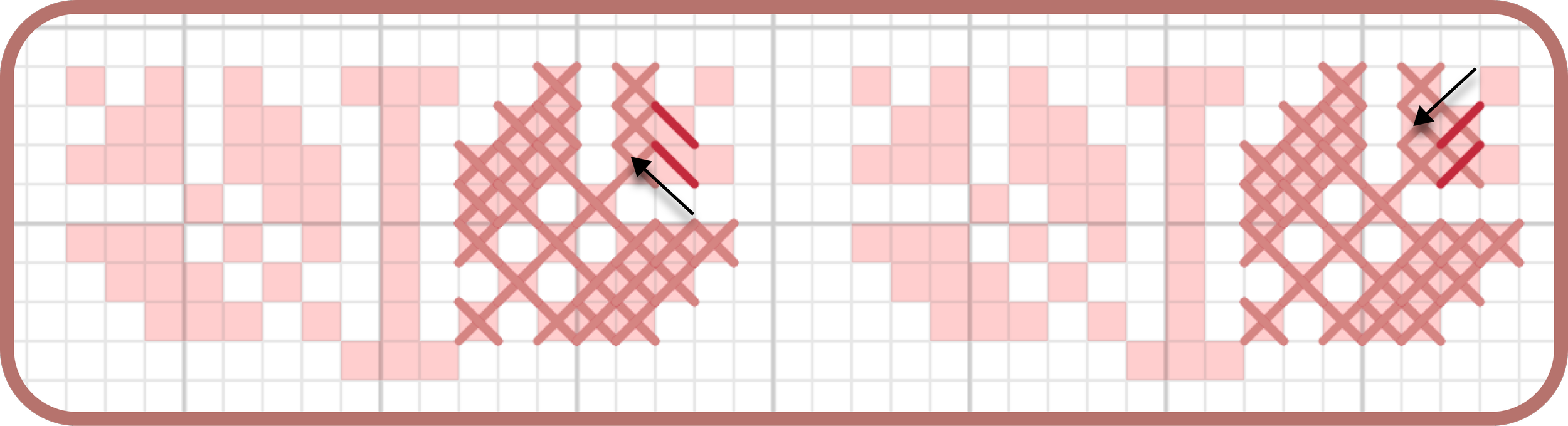
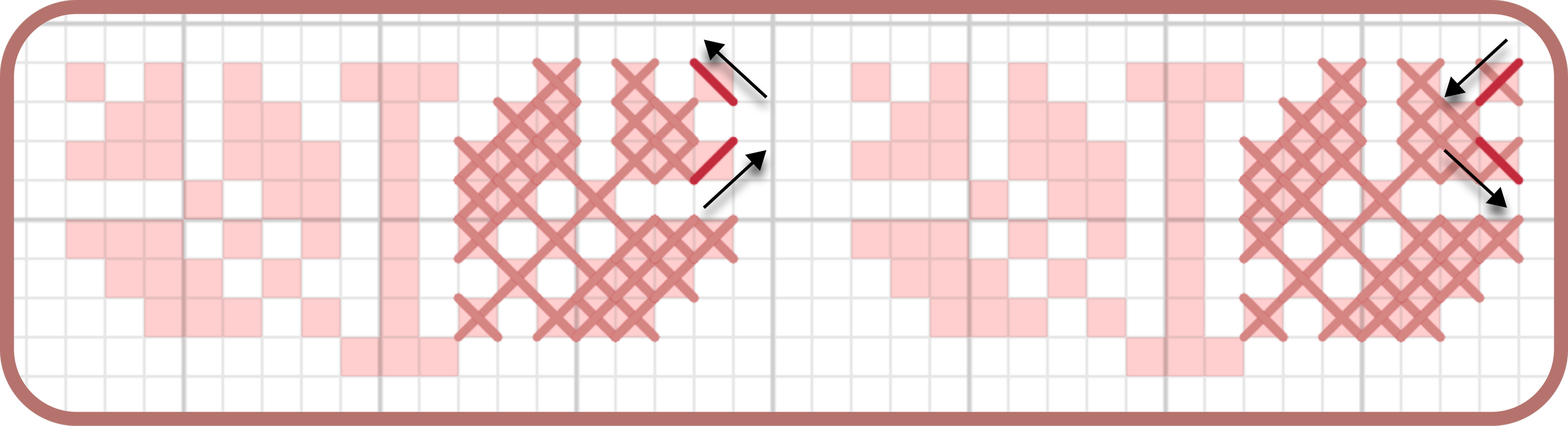
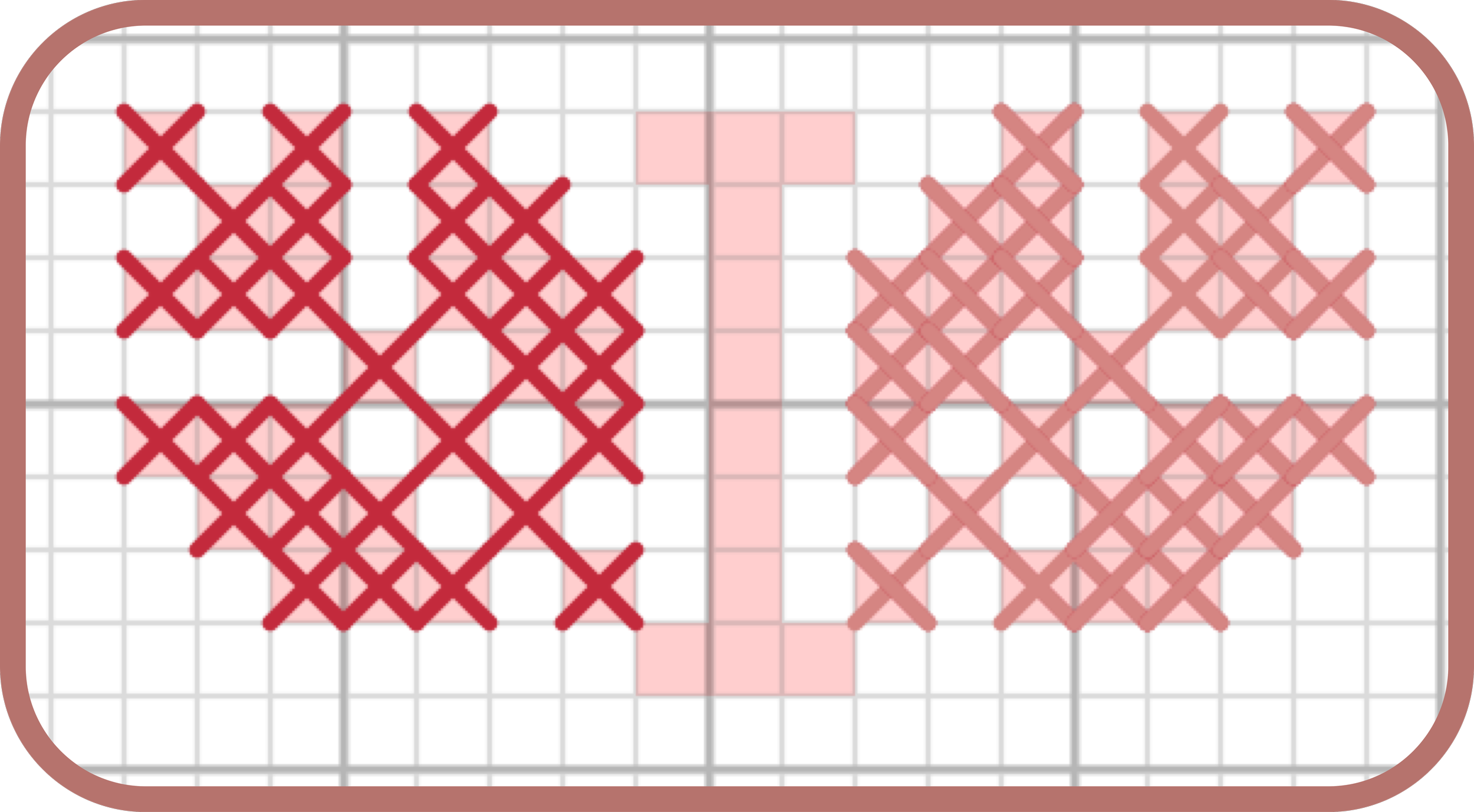
Repeat 10 Steps Flipped to Complete
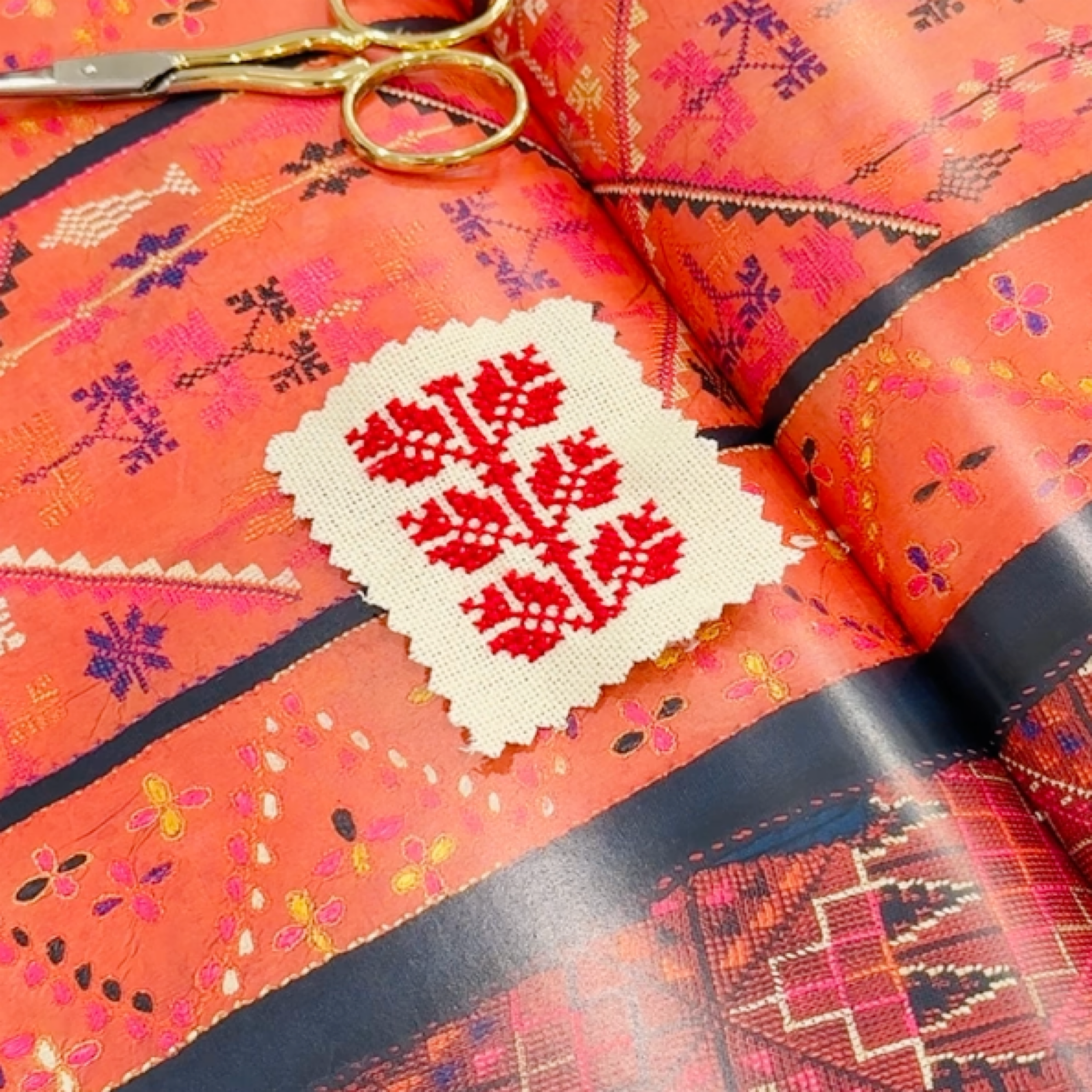
Congratulations!
Congratulations on completing the Coffee Bean cross-stitch motif!
@tatreeztraditions
Don’t forget to share your beautiful tatreez creations with us on Instagram!