
Chapter 2 - Tatreez Materials

Before we begin stitching, it's important to get familiar with the fabric you'll be working on. In this course, we’ll be using Aida cloth, a beginner-friendly fabric that makes it easy to learn and practice Tatreez using cross-stitch. Cross-stitch fabric provides a grid-like structure of evenly spaced points. These points serve as a guide for creating precise and uniform cross stitches. The choice of cross-stitch fabric will depend on your project type.
1. What is Aida Cloth
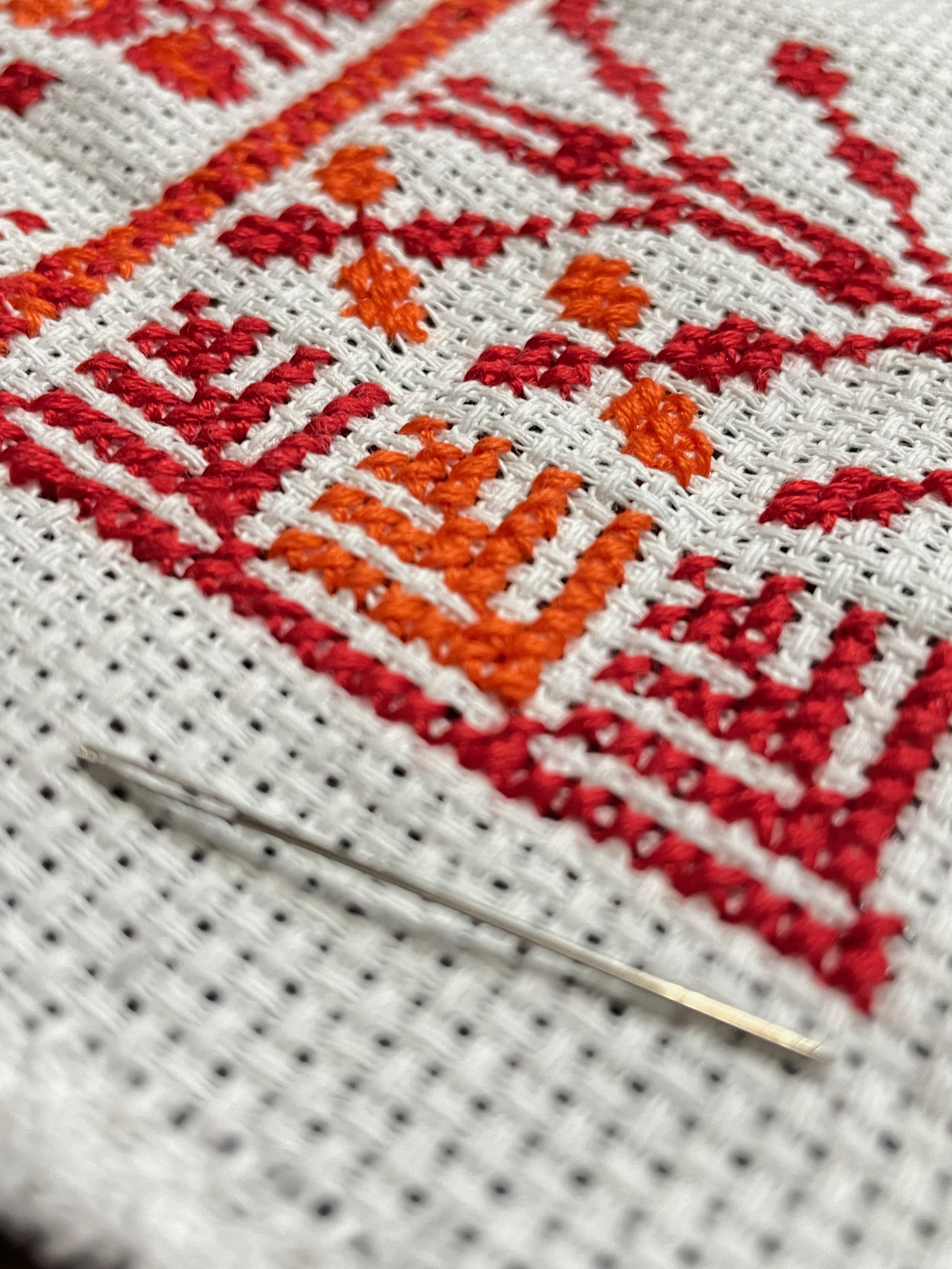
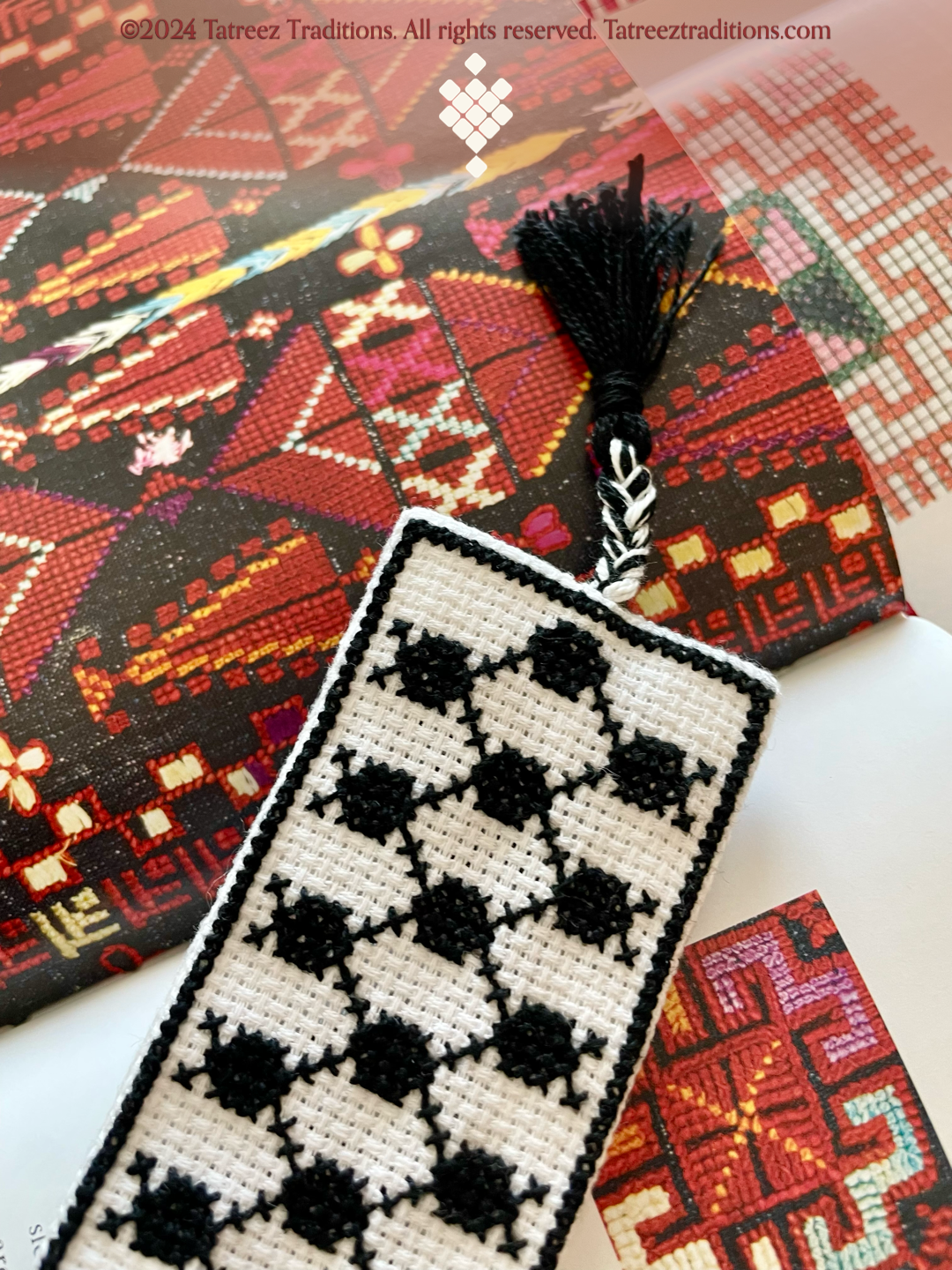
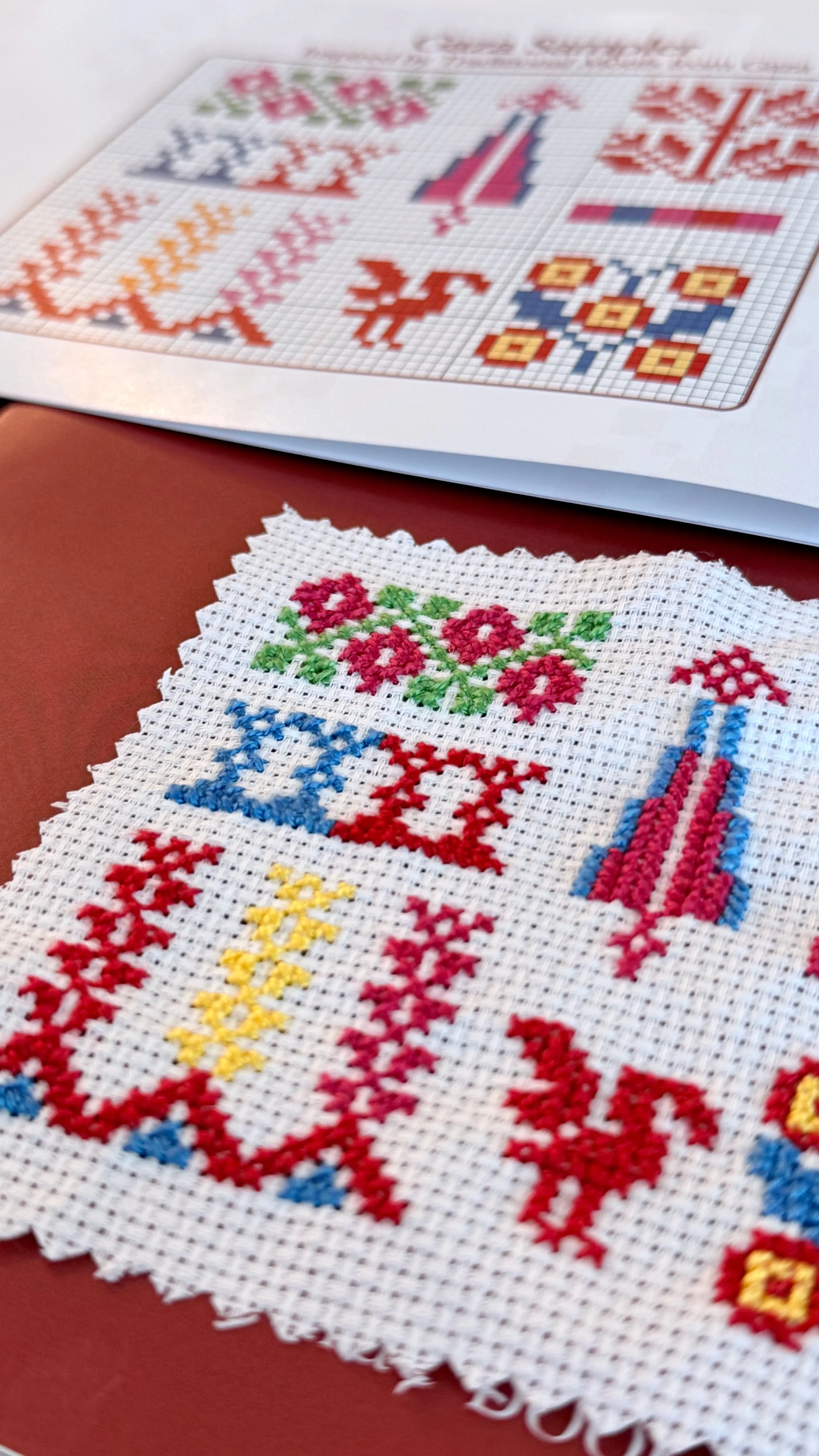
Aida cloth is one of the most beginner-friendly fabrics for learning Tatreez. It is designed for cross-stitch embroidery, it features a distinct square grid made from evenly spaced holes. This built-in structure acts like a guide, making it easy to count stitches, maintain even spacing, and create clean, consistent patterns.
The fabric was first developed in 1907 by Zweigart, a German company specializing in high-quality needlework fabrics. For over a century, Aida cloth has remained a go-to material for embroidery artists worldwide, valued for its durability, precision, and ease of use.
2. Fabric Count
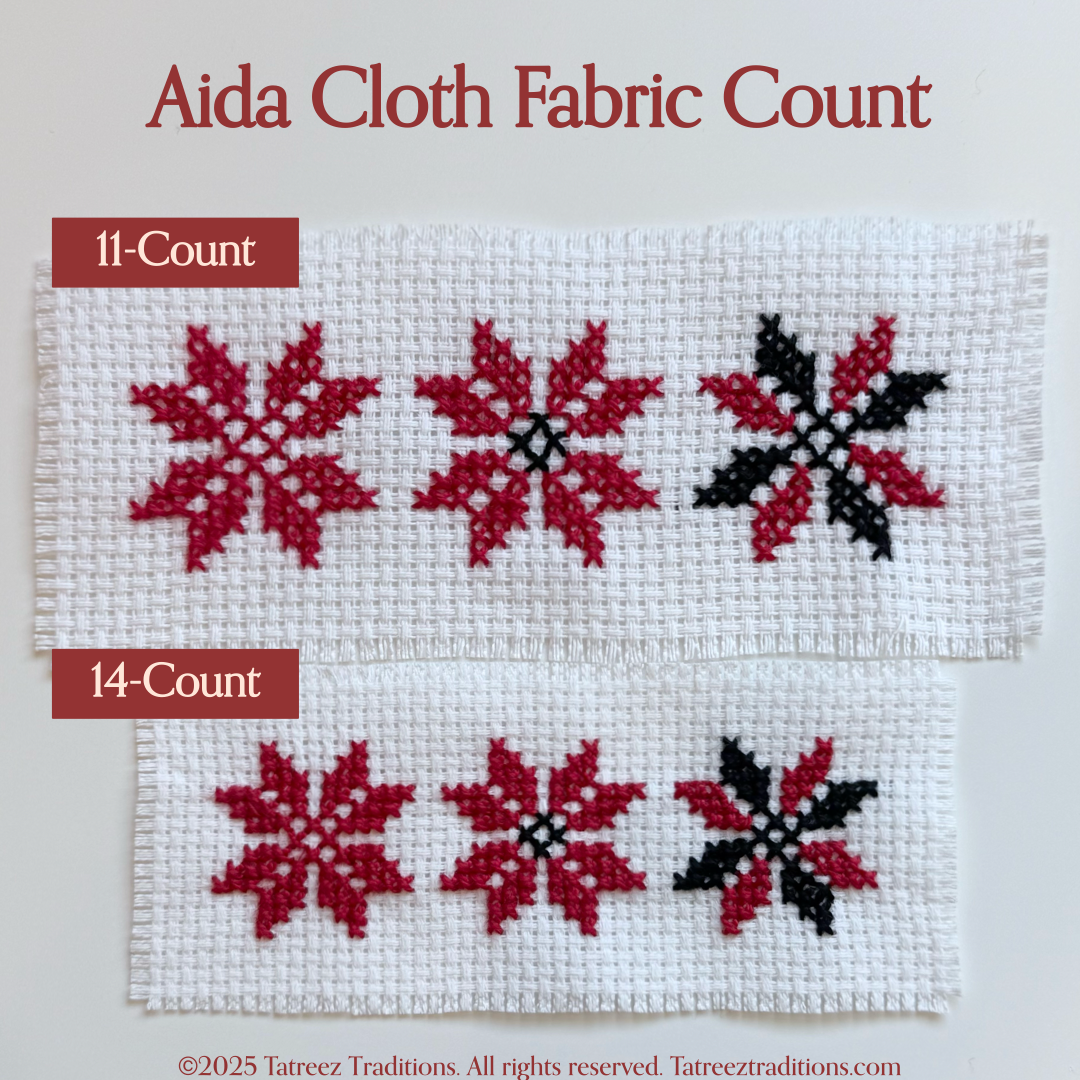
Fabric Count is the number of cross stitches that fit within one inch of fabric.
Aida cloth is woven using four threads in both the vertical (warp) and horizontal (weft) directions. These threads form a grid of square holes, which vary in size depending on the fabric count.
The count you choose will affect the size of your stitches and how detailed your final design looks.
Here are the most common options:
11-count → 11 stitches per inch.
Great for beginners, this count has larger holes, making it easier to see where your needle goes and creating bold, visible stitches.
14-count → 14 stitches per inch.
A common choice for Tatreez projects, offering a balance of detail and ease.
16-count → 16 stitches per inch.
Better suited for experienced stitchers, it produces smaller, more delicate stitches for intricate designs.
TIP: The higher the count, the smaller and finer the stitches. If you're just starting, 11-count Aida is the best option.

3. Fabric Color
Aida cloth is available in a wide range of colors, but for beginners, white or light-colored fabric is the most beginner-friendly.
Lighter shades make it much easier to see the holes in the weave, which helps with stitch accuracy and reduces eye strain, especially when you're just getting started.
Black Aida cloth offers a beautiful contrast when paired with lighter threads, giving a striking look to your finished design. However, because the holes are more difficult to see, stitching on black is generally recommended for more experienced stitchers who are comfortable navigating the fabric.
No matter which color you choose, be sure to select a fabric that complements your thread colors so that your design is clear, enjoyable to work on, and easy to follow. Lesson 7 focuses on choosing your palette.
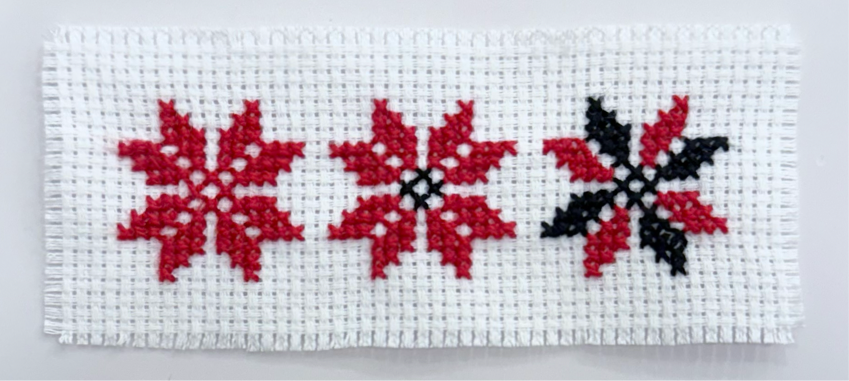
White Aida Cloth
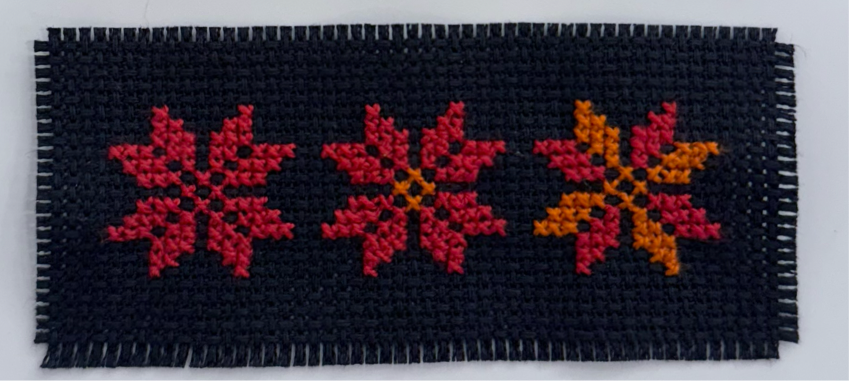
Black Aida Cloth
4. Fabric Brands
For the best stitching experience, choose a high-quality fabric. Zweigart is a top choice among stitchers for its consistent weave and durability. Look for the signature orange thread along the selvedge to confirm it’s authentic.
Other reliable brands include DMC and Charles Craft, both widely available online and in craft stores. Check local needlework shops, major craft retailers, or trusted online suppliers for the count and color that best suits your project.
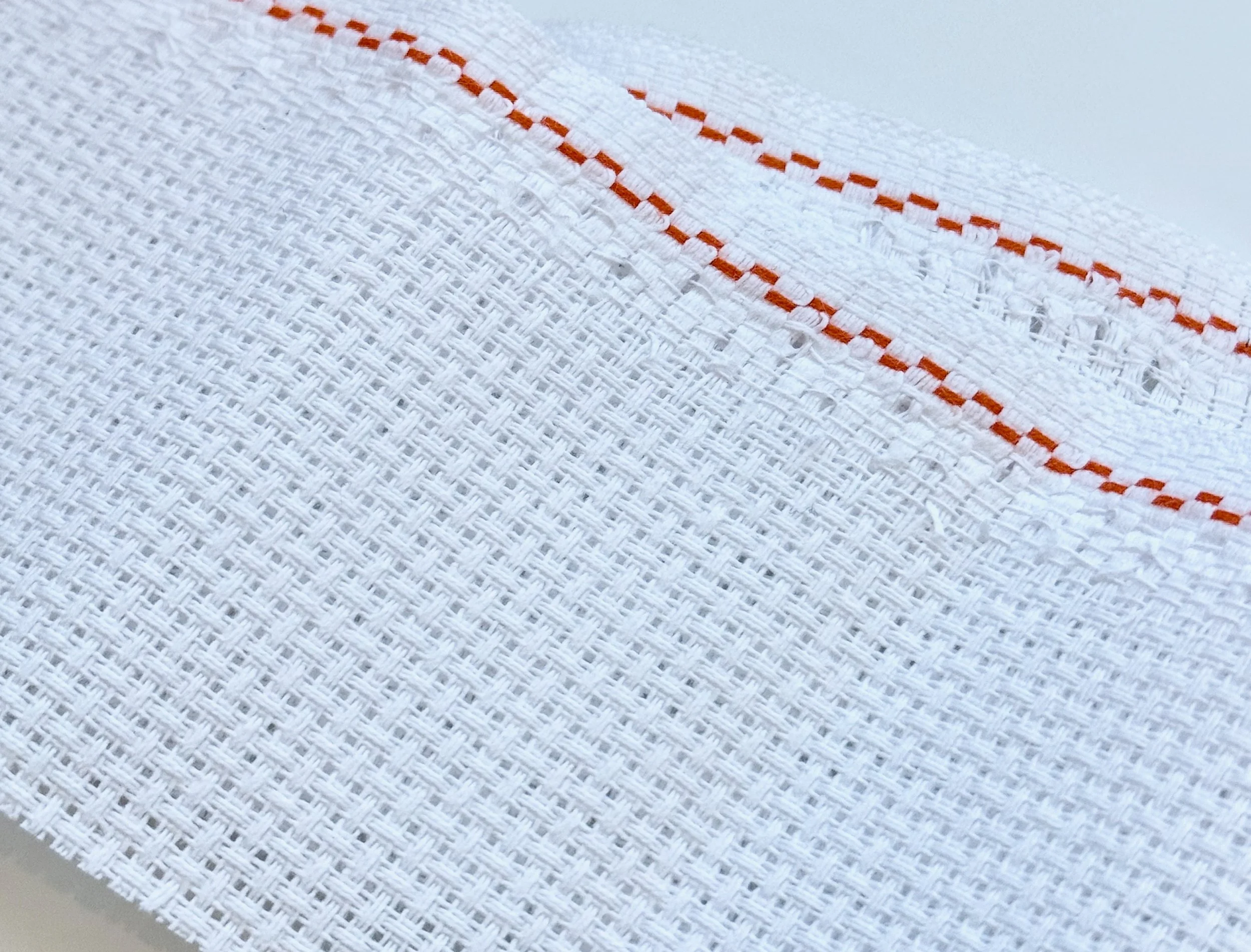
Zweigart
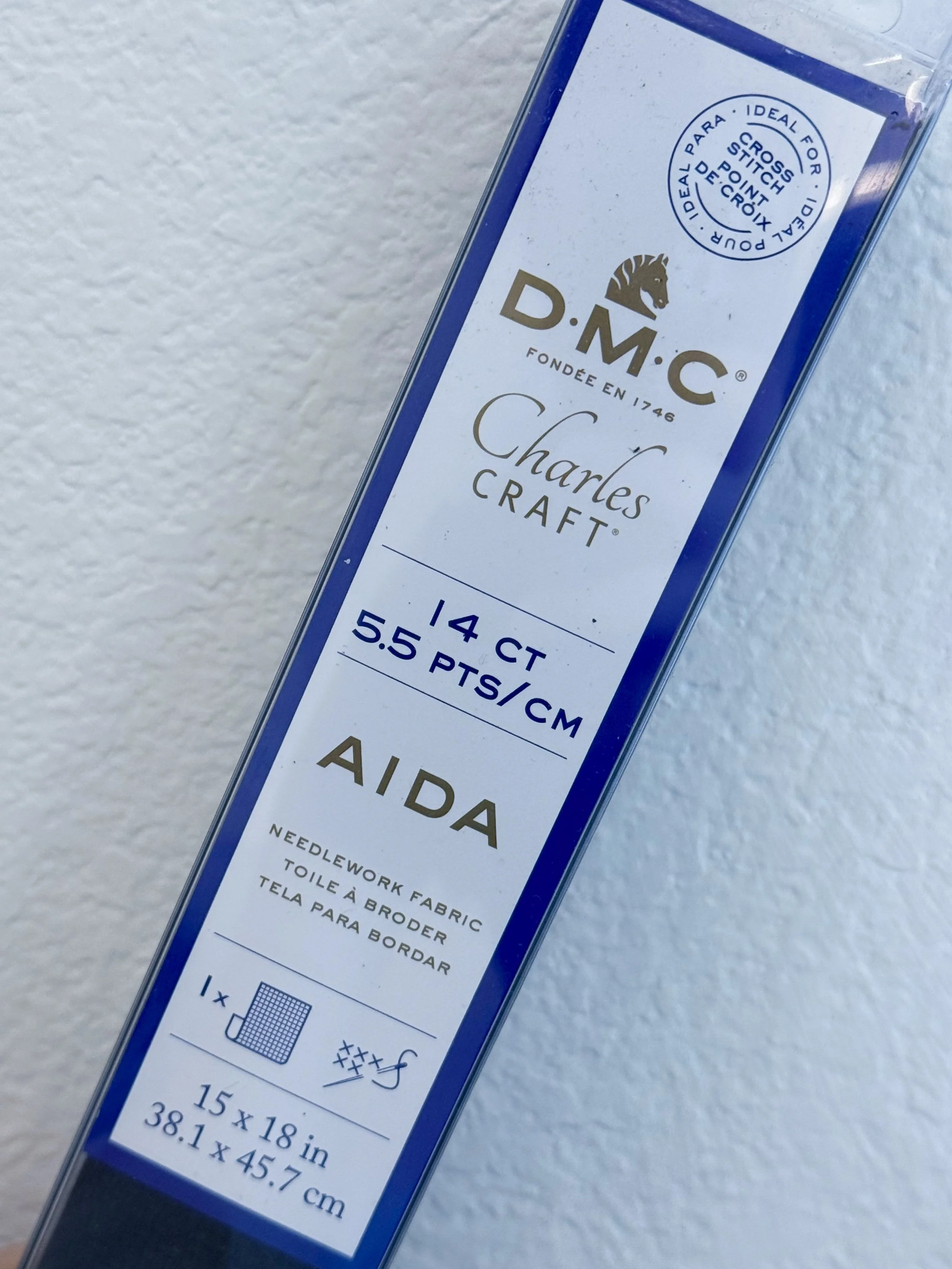
DMC Charles Craft
5. Prevent Fraying
When you’re working with Aida cloth, the raw edges can start to fray as you handle the fabric. To keep your project neat and easy to work with, here are a few simple methods you can try:
Tearing threads of Aida Cloth – For a more traditional method, pull a few threads from each edge to create a neat fringe. This helps reduce fraying while giving your fabric a finished look.
Pinking scissors – Cut the edges of your fabric with pinking scissors to create a zig-zag finish that naturally resists fraying.
Masking tape – Wrap the edges of your fabric with masking tape for a quick, no-sew solution. Just peel it off when your project is finished.
Sewing the edges – If you have a sewing machine (or don’t mind hand stitching), run a zig-zag or straight stitch along the edges to secure the fabric.
Select the method that works best for you. All of them keep your Aida looking tidy and make stitching easier.
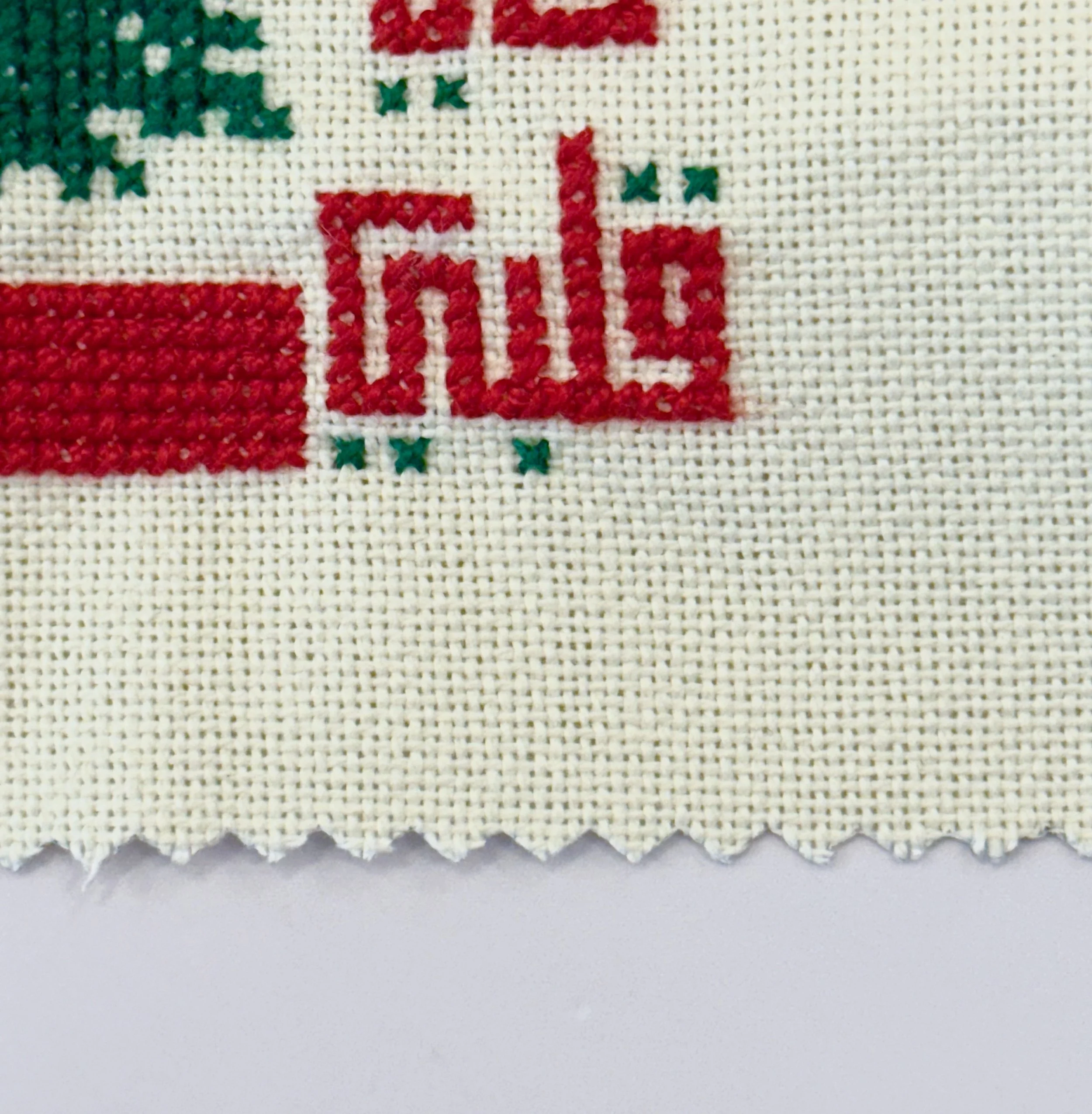
Pinking Scissors Method
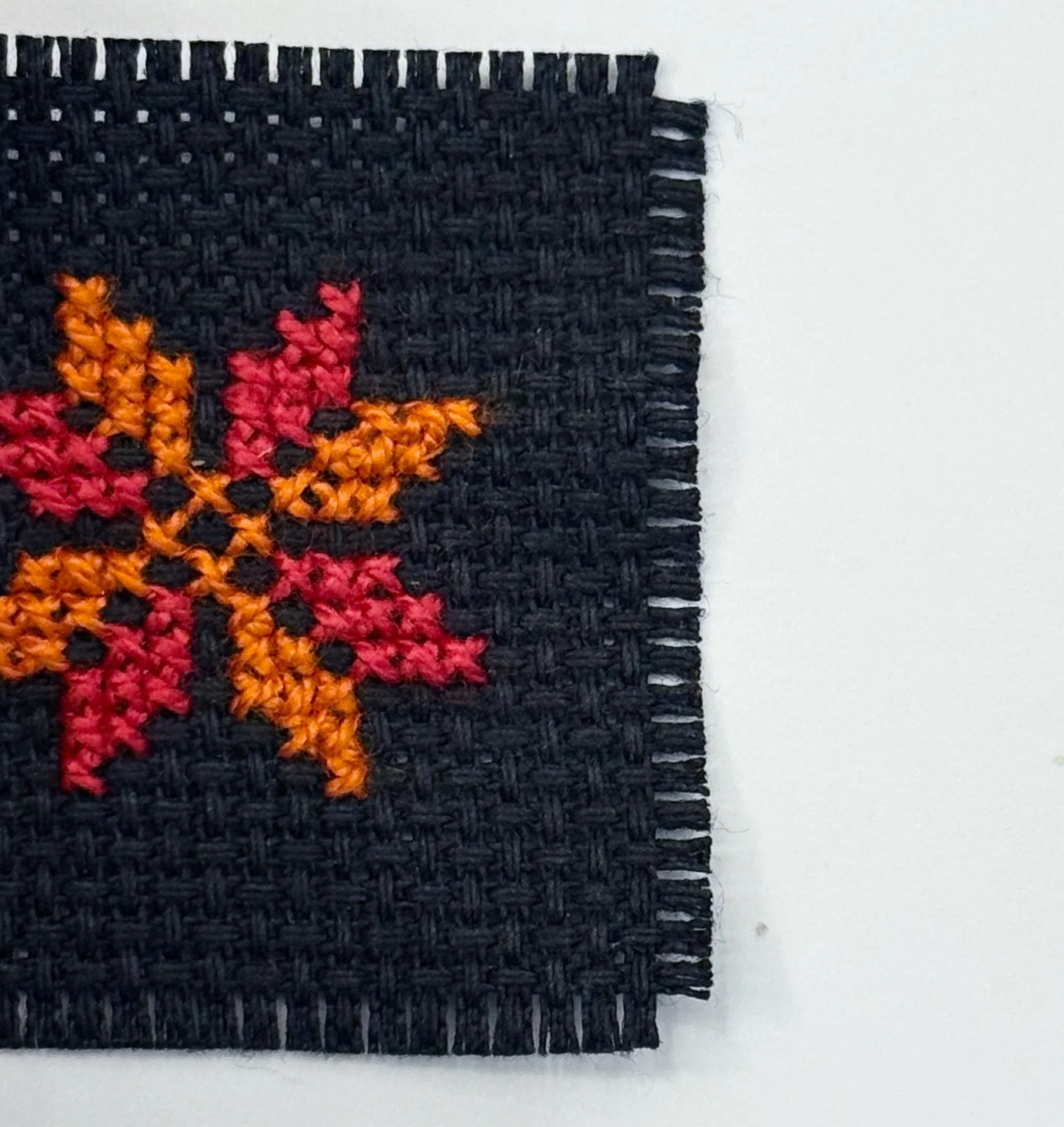
Tearing Threads of Aida Cloth Method